
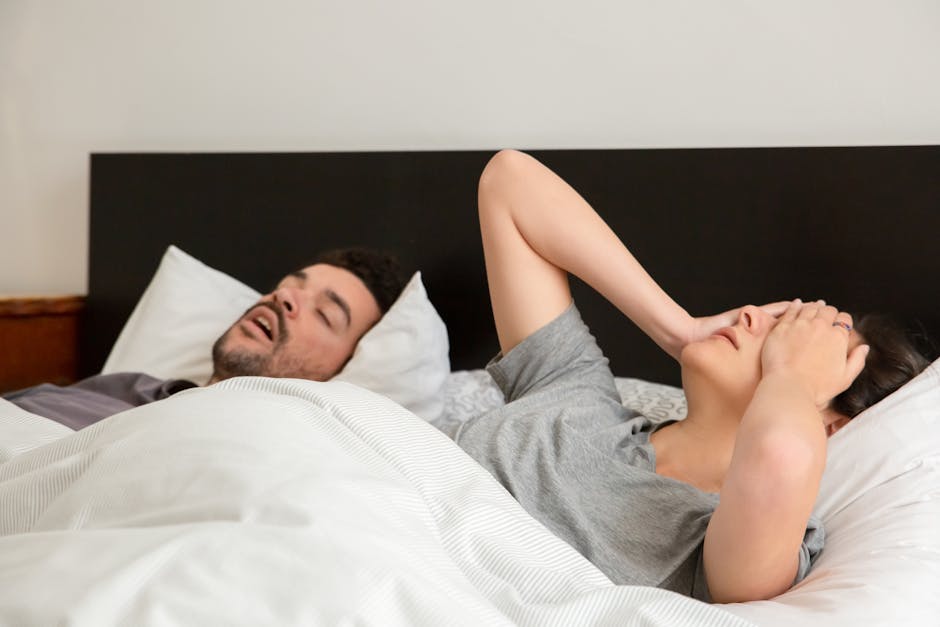
Snoring. That rumbling, rattling, sometimes even roaring sound that can disrupt sleep for both the snorer and anyone within earshot. It’s a common problem, affecting millions of people worldwide, and it can range from a mild annoyance to a serious health concern. If you’re a snorer, or you share a bed with one, you know the struggle is real.
Snoring occurs when the airflow through your mouth and nose is obstructed during sleep. This obstruction causes the surrounding tissues to vibrate, creating the characteristic snoring sound. A number of factors can contribute to this obstruction, including the anatomy of your mouth and sinuses, nasal congestion, alcohol consumption, and sleep position.
Luckily, there are a variety of remedies that can help alleviate snoring. Lifestyle changes can often make a significant difference. Losing weight, if you’re overweight or obese, can help reduce the amount of tissue in your throat. Regular exercise can also improve muscle tone, which can help keep your airways open. Avoiding alcohol and sedatives before bed can also be beneficial, as these substances relax the throat muscles, making snoring more likely.
Sleeping on your side, rather than your back, can also help prevent snoring. When you sleep on your back, gravity pulls the tongue and soft palate towards the back of your throat, which can obstruct airflow. Using an extra pillow to elevate your head can also help keep your airways open.
If lifestyle changes aren't enough, there are a number of over-the-counter products that can help. Nasal strips can help open up your nasal passages, improving airflow. Throat sprays and lubricants can help keep the tissues in your throat moist, reducing vibration. Oral appliances, which are custom-fitted by a dentist, can help reposition your jaw and tongue to keep your airways open.
For more persistent snoring, medical intervention may be necessary. Continuous positive airway pressure (CPAP) therapy is a common treatment for obstructive sleep apnea, a serious sleep disorder that often involves loud snoring. CPAP involves wearing a mask over your nose and/or mouth while you sleep. The mask delivers a constant stream of air, keeping your airways open.
Other medical procedures, such as surgery to remove excess tissue in the throat or nose, may also be an option in some cases. It’s important to talk to your doctor if your snoring is severe, disruptive, or accompanied by other symptoms, such as excessive daytime sleepiness or gasping for air during sleep.
Finding the right snoring remedy can significantly improve your sleep quality and your overall health. With a little patience and persistence, you can find a solution that works for you and finally enjoy a peaceful night's rest.
Leave a Reply