
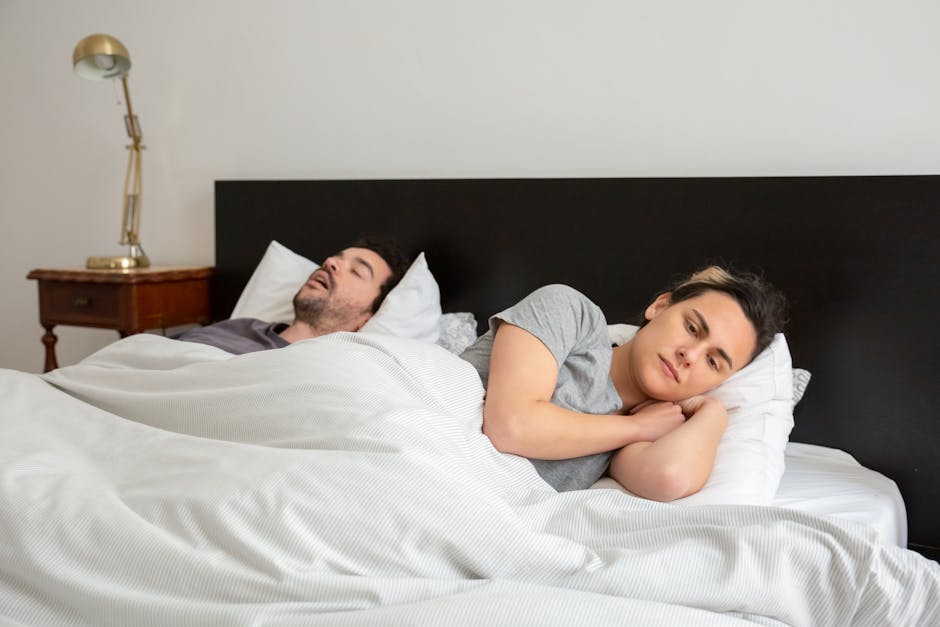
Snoring. That rumbling, rattling, sometimes whistling sound that can disrupt the tranquility of a peaceful night's sleep. For many, it's a nightly struggle, affecting not only the snorer but also their partners, roommates, and even family members in nearby rooms. While snoring can sometimes be a humorous quirk, it can also signify underlying health issues and contribute to sleep deprivation. Fortunately, there are a variety of remedies available to help silence the nightly symphony of snorts and promote restful sleep.
One of the most common causes of snoring is nasal congestion. When the nasal passages are blocked, airflow is restricted, leading to vibrations in the soft tissues of the throat. Simple solutions like nasal strips or saline nasal sprays can help open up the airways and reduce snoring. Elevating the head of the bed can also help improve breathing and minimize snoring caused by congestion.
Lifestyle changes can also play a significant role in reducing snoring. Maintaining a healthy weight can significantly impact snoring, as excess weight can put pressure on the throat and narrow the airways. Regular exercise can contribute to weight loss and improve overall sleep quality. Avoiding alcohol and sedatives before bed is also crucial, as these substances relax the throat muscles, making snoring more likely.
Smoking irritates the nasal passages and throat, contributing to inflammation and swelling, which can worsen snoring. Quitting smoking can not only improve snoring but also have numerous other health benefits. Creating a regular sleep schedule can also help regulate sleep patterns and reduce snoring.
For those with allergies, identifying and managing allergens can significantly reduce snoring. Dust mites, pet dander, and pollen can all irritate the nasal passages and contribute to snoring. Using hypoallergenic bedding, regularly cleaning the bedroom, and using air purifiers can help minimize exposure to allergens.
In some cases, snoring may be a symptom of a more serious condition called sleep apnea. Sleep apnea is characterized by pauses in breathing during sleep, which can lead to serious health problems. If snoring is accompanied by excessive daytime sleepiness, gasping for air during sleep, or morning headaches, it's important to consult a doctor for evaluation.
Several over-the-counter devices are available to help reduce snoring. Anti-snoring mouth guards reposition the jaw and tongue to keep the airways open. Throat sprays can lubricate the tissues and reduce vibrations. Chin straps help keep the mouth closed, preventing air from escaping through the mouth and causing snoring.
If lifestyle changes and over-the-counter remedies aren't effective, medical interventions may be necessary. Continuous positive airway pressure (CPAP) therapy is a common treatment for sleep apnea and can also be helpful for severe snoring. Other medical procedures, such as surgery to remove excess tissue in the throat or nasal passages, may be considered in certain cases. Consulting with a sleep specialist can help determine the best course of action.
Leave a Reply