
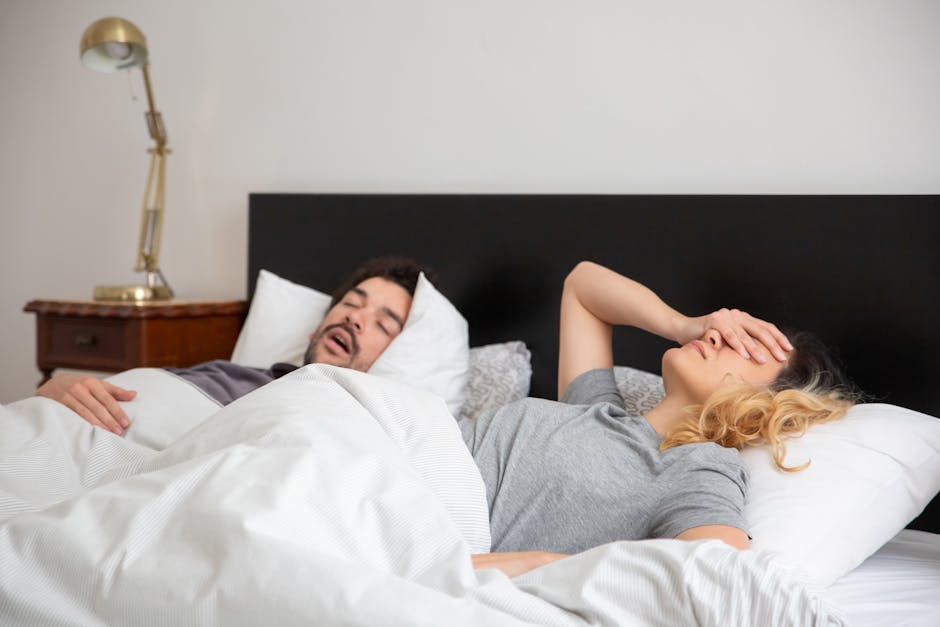
Snoring. That rumbling, rattling, sometimes whistling sound that can disrupt the tranquility of a peaceful night’s sleep. For many, it's a nightly struggle, affecting not only the snorer but also their partners and even sometimes housemates. While snoring can sometimes be a humorous quirk, it can also be a sign of underlying health issues and a major contributor to sleep deprivation. Luckily, there are a number of remedies that can help silence the nightly symphony of snorts.
One of the most common causes of snoring is nasal congestion. When the nasal passages are blocked, air is forced through a smaller opening, creating the vibrations that result in snoring. Simple solutions like saline nasal sprays or nasal strips can help open up the airways and reduce snoring. A hot shower before bed can also help clear nasal passages and promote easier breathing.
Another culprit behind snoring is sleeping position. Sleeping on your back often allows the tongue and soft tissues in the throat to relax and fall back, obstructing the airway. Try sleeping on your side. A body pillow can help maintain this position throughout the night. Elevating the head of the bed can also help prevent the tissues from collapsing into the airway.
Lifestyle changes can also play a significant role in reducing snoring. Excess weight can contribute to snoring by putting pressure on the neck and throat. Regular exercise and a healthy diet can help maintain a healthy weight and reduce snoring. Alcohol and sedatives relax the throat muscles, making snoring more likely. Avoiding these substances, especially before bed, can make a difference.
Smoking irritates the nasal passages and throat, leading to inflammation and swelling, which can worsen snoring. Quitting smoking can improve overall health and significantly reduce snoring. Staying hydrated is also important. Drinking plenty of water throughout the day helps keep the nasal passages moist and less likely to become congested.
For some, snoring may be a symptom of a more serious condition like sleep apnea. Sleep apnea is characterized by pauses in breathing during sleep and can have serious health consequences. If your snoring is loud and frequent, accompanied by gasping or choking sounds, or if you experience excessive daytime sleepiness, it’s important to consult a doctor.
There are also a variety of over-the-counter products designed to address snoring. These include anti-snoring mouthpieces, throat sprays, and chin straps. While some people find these helpful, their effectiveness varies, and it's important to follow the instructions carefully.
Finding the right solution for snoring often requires a bit of trial and error. By addressing potential underlying causes and exploring different remedies, you can significantly improve the quality of your sleep and the sleep of those around you. A peaceful night’s sleep is within reach, so don’t give up on the quest for silence!
Leave a Reply