
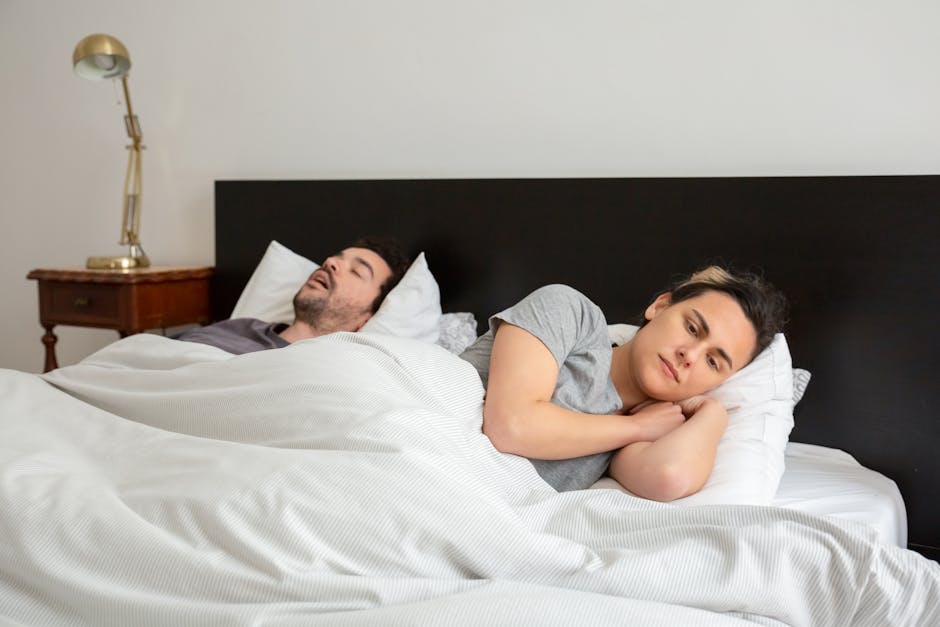
Snoring. That rumbling, rattling, sometimes even whistling sound that can disrupt a peaceful night’s sleep. It’s a common problem, affecting millions of people and their sleep partners. While sometimes humorous, snoring can be a sign of a more serious underlying health issue and, more often than not, a major source of frustration for anyone within earshot. Luckily, there are a variety of remedies that can help silence the night and restore tranquility to the bedroom.
One of the simplest and most effective remedies is changing sleep positions. Sleeping on your back often exacerbates snoring as gravity pulls the tongue and soft tissues back towards the throat, constricting the airway. Try sleeping on your side. A simple body pillow can help maintain this position throughout the night. Elevating the head of the bed can also help open up the airways and reduce snoring.
Lifestyle changes can also make a significant difference. Excess weight can contribute to snoring, as fatty tissue around the neck can put pressure on the airways. Regular exercise and a healthy diet can help reduce this pressure and improve sleep quality. Avoiding alcohol and sedatives before bed is also crucial. These substances relax the throat muscles, making snoring more likely.
Staying hydrated is often overlooked but surprisingly effective. Dehydration thickens nasal secretions, which can obstruct airflow and contribute to snoring. Drinking plenty of water throughout the day and especially before bed can help keep nasal passages clear.
For those seeking more targeted solutions, nasal strips and dilators can be helpful. These adhesive strips gently lift and open the nasal passages, improving airflow and reducing snoring. Similarly, nasal dilators are small, flexible devices inserted into the nostrils to widen the nasal passages.
Oral appliances, custom-fitted by a dentist, are another option. These devices reposition the jaw and tongue to keep the airway open during sleep. While more expensive than over-the-counter remedies, they can be highly effective for certain types of snoring.
In more severe cases, surgery may be considered. Procedures like uvulopalatopharyngoplasty (UPPP) remove excess tissue in the throat to widen the airway. However, surgery is typically reserved for cases where snoring is caused by anatomical abnormalities or is associated with sleep apnea.
In my own experience, a combination of lifestyle changes and a simple nasal dilator made a world of difference. My partner’s snoring had become a nightly battle, leaving both of us exhausted and frustrated. By incorporating these remedies, we finally achieved peaceful, snore-free nights and rediscovered the joy of waking up refreshed. If you're struggling with snoring, don't lose hope. With a little experimentation, you too can find the right solution and reclaim the serenity of a good night’s sleep.
Leave a Reply