
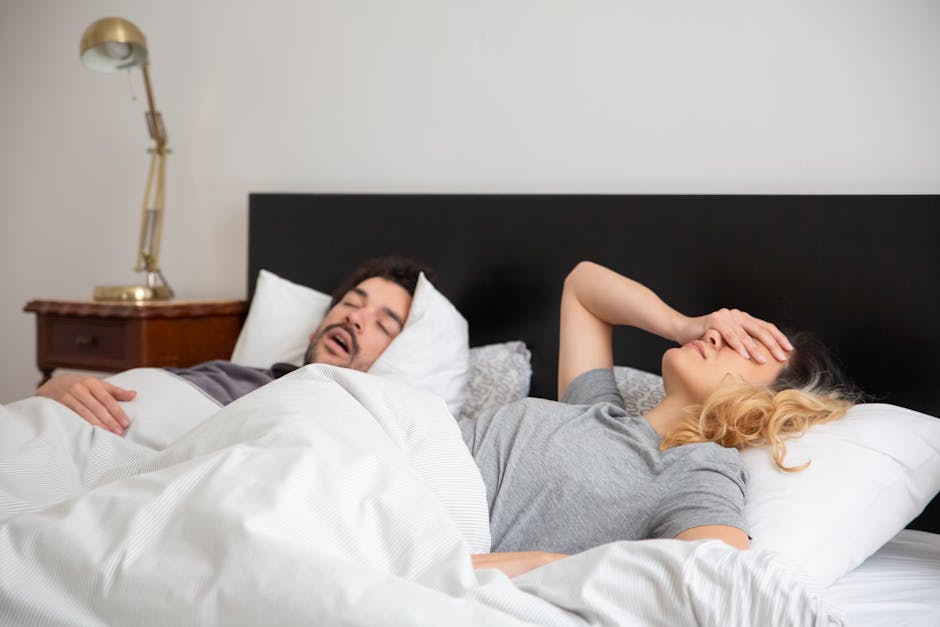
Snoring. That rumbling, rattling, sometimes even snorting sound that can disrupt a peaceful night’s sleep. It’s a common problem, affecting millions of people and their sleep-deprived partners. If you’re reading this, chances are you’re either a snorer yourself or you’re intimately acquainted with the nightly symphony of someone who is. Either way, you’re in the right place.
Snoring happens when the airflow through your mouth and nose is physically obstructed during sleep. This obstruction causes the tissues in the back of your throat to vibrate, creating the characteristic snoring sound. A number of factors can contribute to snoring, including nasal congestion, the anatomy of your mouth and sinuses, alcohol consumption, sleep deprivation, and sleeping position.
Fortunately, there are a number of remedies that can help alleviate snoring. Lifestyle changes can be remarkably effective. Losing weight, if you’re overweight or obese, can significantly reduce snoring. Regular exercise can also improve muscle tone and help keep your airways open. Avoiding alcohol and sedatives before bed is crucial, as these substances relax the throat muscles, making snoring more likely.
Sleeping on your side can also make a difference. When you sleep on your back, gravity pulls the tongue and soft tissues in your throat backward, further obstructing the airway. Try using a body pillow or sewing a tennis ball into the back of your pajamas to discourage back sleeping.
Over-the-counter nasal strips and dilators can help open up the nasal passages, making it easier to breathe. These are particularly helpful if your snoring is caused by nasal congestion due to allergies or a cold. Nasal irrigation with a saline solution can also help clear out nasal passages.
For more persistent snoring, there are several devices available. Mandibular advancement devices (MADs) are custom-fit mouthpieces that reposition the lower jaw and tongue forward, keeping the airway open. Continuous positive airway pressure (CPAP) machines deliver a constant stream of air through a mask, preventing the airway from collapsing.
If lifestyle changes and over-the-counter remedies aren’t providing relief, it’s important to consult a doctor. Snoring can sometimes be a symptom of a more serious underlying condition like sleep apnea. A doctor can evaluate your snoring and recommend the most appropriate treatment.
Getting a good night’s sleep is essential for overall health and well-being. By addressing snoring, you can improve your sleep quality and that of your partner. With a little effort and the right approach, you can silence the night and enjoy the benefits of restful sleep.
Leave a Reply