
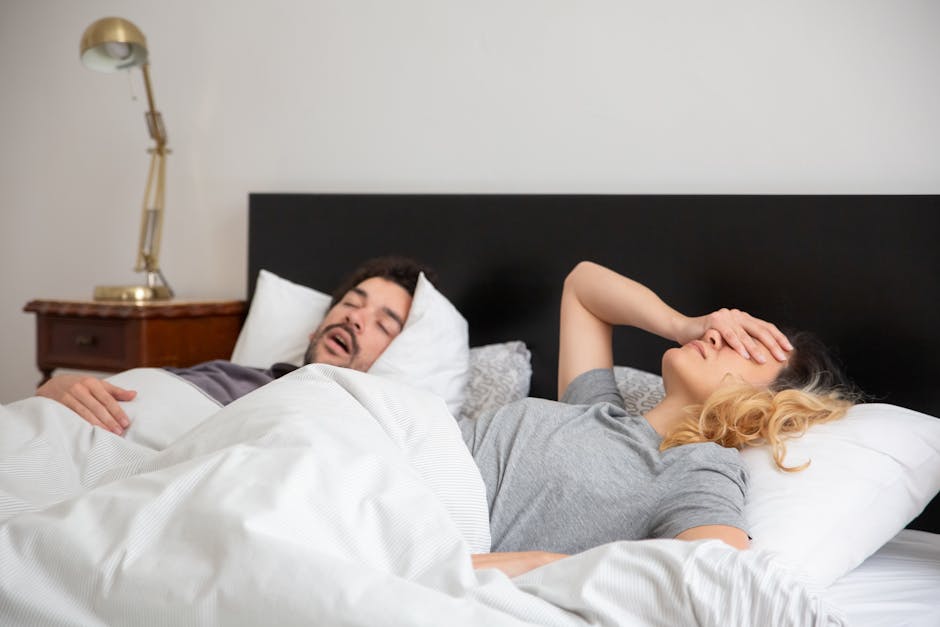
Snoring. That rumbling, rattling, sometimes even whistling sound that can disrupt a good night's sleep – both for the snorer and anyone within earshot. It's a common problem, affecting millions of people worldwide. But what causes it, and more importantly, what can be done about it?
Snoring happens when the airflow through your mouth and nose is physically obstructed during sleep. This obstruction can be caused by a variety of factors, including relaxed throat muscles, a large tongue, excess nasal tissue, or a deviated septum. As air tries to squeeze past these obstructions, it vibrates the surrounding tissues, creating the characteristic snoring sound.
While occasional snoring might not be a cause for concern, chronic snoring can be a sign of a more serious underlying health issue, such as sleep apnea. Sleep apnea is a condition where breathing repeatedly stops and starts during sleep, leading to decreased oxygen levels and potentially serious health consequences. If your snoring is accompanied by gasping or choking sounds, excessive daytime sleepiness, or morning headaches, it's crucial to consult a doctor.
Fortunately, for many people, snoring is a manageable nuisance. Lifestyle changes can often make a significant difference. Losing weight, if needed, can help reduce fatty tissue in the throat. Avoiding alcohol and sedatives before bed can also improve airflow. Sleeping on your side, rather than your back, can prevent the tongue from falling back and obstructing the airway.
There are also a variety of over-the-counter remedies available. Nasal strips can help open up the nasal passages, while throat sprays and lozenges can lubricate and tighten the tissues in the throat. Anti-snoring mouthpieces, which reposition the jaw and tongue, can also be effective for some individuals.
If these remedies don't provide sufficient relief, medical interventions might be necessary. Continuous positive airway pressure (CPAP) therapy, which involves wearing a mask that delivers a constant stream of air, is often the most effective treatment for sleep apnea and severe snoring. Other options include surgery to remove excess tissue or correct structural abnormalities in the nose or throat.
In our case, my partner's snoring was disrupting both of our sleep. We tried nasal strips and changing sleep positions, but the real breakthrough came with an anti-snoring mouthpiece. It took a little getting used to, but the difference was remarkable. We both finally started getting a good night's rest.
Finding the right solution for snoring can take some experimentation, but the payoff is well worth the effort. Improved sleep leads to better health, increased energy, and a more harmonious relationship with your sleep partner. If you're struggling with snoring, don't suffer in silence. Explore the options and find the solution that works best for you.
Leave a Reply