
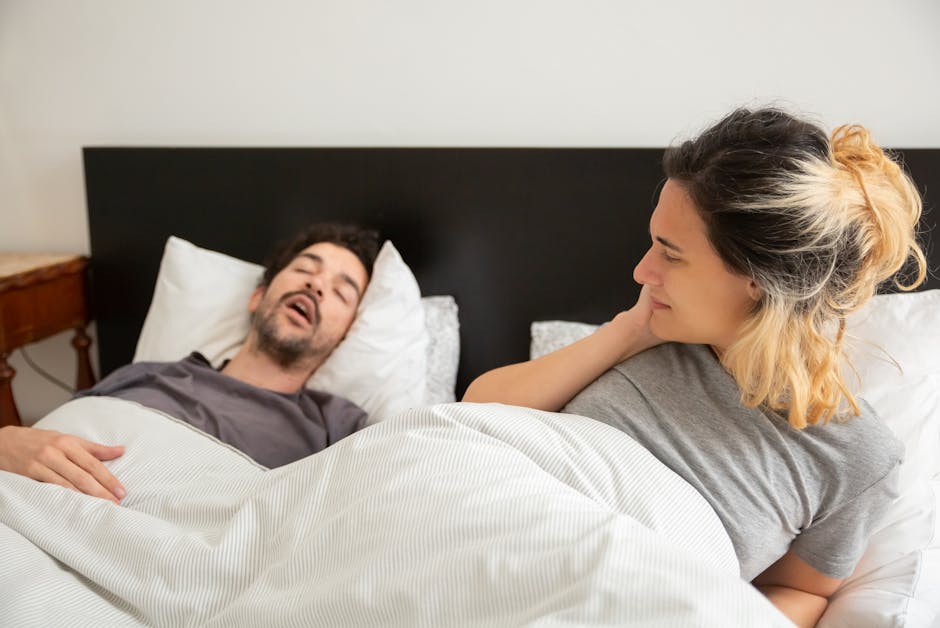
Snoring. That rumbling, rattling, sometimes even snorting sound that can disrupt a peaceful night's sleep. Millions of people snore, and millions more suffer the consequences – often their sleep partners. Snoring isn't just an annoyance; it can be a sign of underlying health issues and can significantly impact the quality of life for both the snorer and anyone within earshot. Luckily, there are a variety of remedies available that can help alleviate this noisy nighttime nuisance.
One of the most common causes of snoring is nasal congestion. When the nasal passages are blocked, air is forced through a smaller opening, creating the vibrations that cause snoring. Simple solutions like nasal strips or a saline nasal rinse can help open up the airways and reduce snoring. For those with allergies, identifying and avoiding allergens can also make a significant difference.
Another contributing factor to snoring can be sleeping position. Sleeping on your back often allows the tongue and soft tissues in the throat to relax and fall back, obstructing the airway. Try sleeping on your side. A body pillow can help maintain this position throughout the night. Elevating the head of the bed can also help keep the airways open.
Lifestyle changes can also play a crucial role in reducing snoring. Maintaining a healthy weight is important, as excess weight can put pressure on the throat and narrow the airways. Regular exercise can help with weight management and improve overall sleep quality. Avoiding alcohol and sedatives before bed is also recommended, as these substances can relax the throat muscles and contribute to snoring.
Smoking irritates the nasal passages and throat, leading to inflammation and increased mucus production, which can worsen snoring. Quitting smoking is beneficial not only for reducing snoring but also for overall health. Staying hydrated by drinking plenty of water throughout the day can also help thin mucus secretions and keep the airways clear.
For persistent snoring, there are several over-the-counter devices available. Oral appliances, which resemble mouthguards, can help reposition the jaw and tongue to keep the airway open. Chin straps can help keep the mouth closed and prevent air from escaping through the mouth. These devices can be effective for some individuals, but it's always best to consult with a doctor or dentist before using them.
If snoring is severe or accompanied by other symptoms like excessive daytime sleepiness, gasping for air during sleep, or morning headaches, it's essential to seek medical advice. These could be signs of obstructive sleep apnea, a serious sleep disorder that requires medical treatment. A sleep study can help diagnose sleep apnea and determine the appropriate course of action.
Snoring can be a frustrating problem, but it doesn't have to be a permanent one. By exploring these remedies and consulting with a healthcare professional if necessary, you can find solutions to achieve a peaceful and quiet night's sleep for yourself and your loved ones.
Leave a Reply