
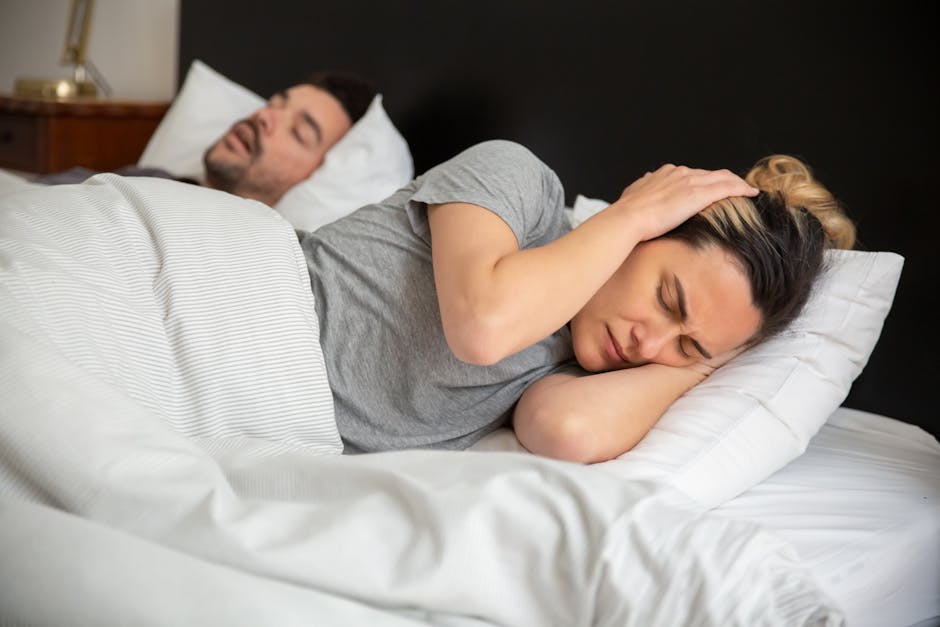
Snoring. That rumbling, sometimes whistling, often chainsaw-like sound that can disrupt a peaceful night's sleep. It's a common problem, affecting millions of people and their sleep-deprived partners. While sometimes humorous, snoring can be a sign of underlying health issues and a major contributor to relationship stress. Luckily, there are a variety of remedies that can help silence the nightly symphony and restore tranquility to the bedroom.
Lifestyle changes can often make a significant difference in snoring severity. Maintaining a healthy weight is crucial, as excess weight can put pressure on the airways, contributing to snoring. Regular exercise can help with weight management and improve overall sleep quality. Avoiding alcohol and sedatives before bed is also important, as these substances relax throat muscles, making snoring more likely. Finally, establishing a consistent sleep schedule helps regulate your body's natural sleep-wake cycle, promoting better sleep and potentially reducing snoring.
If lifestyle changes aren't enough, several over-the-counter remedies are available. Nasal strips can help open up nasal passages, improving airflow and reducing snoring caused by nasal congestion. Oral appliances, like mandibular advancement devices, reposition the jaw and tongue to keep the airway open. Throat sprays and lubricants can help moisturize the throat tissues, reducing vibrations that cause snoring. It's always a good idea to consult with a doctor or pharmacist to determine which option is best for you.
For those seeking more specialized solutions, several medical interventions can address snoring. Continuous positive airway pressure (CPAP) therapy is a common treatment for sleep apnea, a condition often associated with snoring. CPAP involves wearing a mask that delivers a constant stream of air to keep the airway open. Other medical procedures, such as surgery to remove excess tissue in the throat or nasal passages, might be considered in more severe cases.
Beyond these conventional remedies, some alternative therapies have shown promise in reducing snoring. Playing the didgeridoo, an Australian Aboriginal wind instrument, has been found to strengthen throat muscles and reduce snoring. Singing exercises can also improve muscle tone in the airway, potentially lessening snoring. Acupuncture, a traditional Chinese medicine technique, may help alleviate snoring by addressing underlying imbalances in the body.
While seeking remedies for snoring, it's essential to address any underlying medical conditions. Snoring can be a symptom of sleep apnea, a serious sleep disorder that can have significant health consequences. If your snoring is loud, frequent, or accompanied by pauses in breathing, it's crucial to consult a doctor for a proper diagnosis and treatment plan.
Remember, finding the right snoring remedy often requires a bit of trial and error. What works for one person may not work for another. Be patient and persistent in your search for a solution. With the right approach, you and your partner can finally enjoy peaceful, snore-free nights.
Finally, don't underestimate the importance of communication and support. Snoring can be frustrating for both the snorer and their partner. Openly discussing the issue and working together to find solutions can strengthen your relationship and improve your overall quality of life.
Leave a Reply