
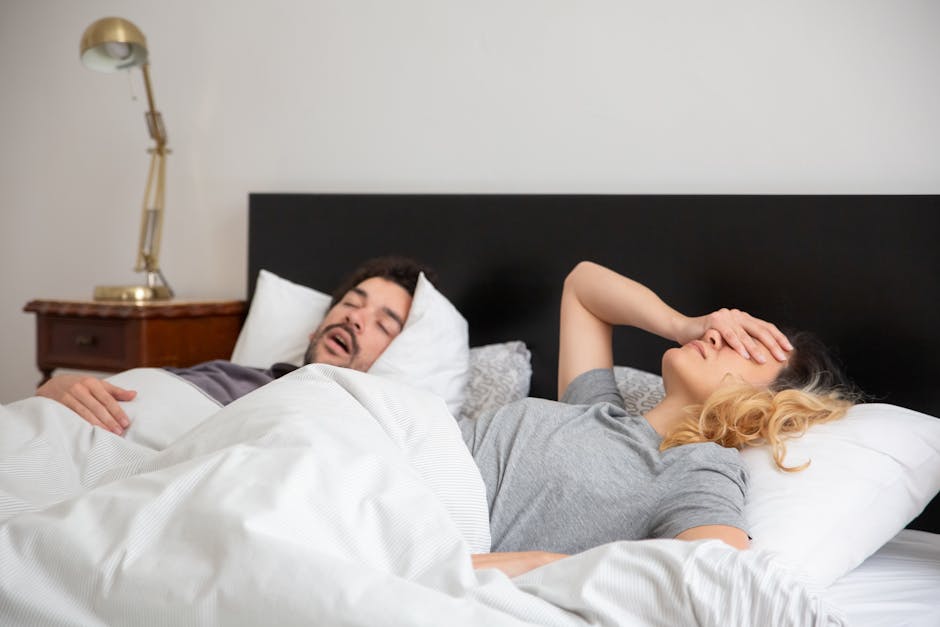
Snoring. That rumbling, sometimes rattling, often disruptive sound that can turn a peaceful night's sleep into a restless ordeal. Whether you're the snorer or the one lying awake beside them, it's a problem that affects millions. But the good news is that snoring is often treatable, and you can find relief without resorting to drastic measures. Let's explore some common causes and effective remedies.
One of the most common culprits behind snoring is nasal congestion. When your nasal passages are blocked, airflow is restricted, causing the soft tissues in the back of your throat to vibrate as you breathe. Simple solutions like saline nasal sprays or rinses can help clear congestion and reduce snoring. A humidifier can also add moisture to the air, preventing dryness that can irritate nasal passages.
Another factor contributing to snoring is your sleep position. Sleeping on your back often allows the tongue to fall back into the throat, obstructing airflow. Try sleeping on your side. A body pillow can help maintain this position throughout the night. Elevating your head with an extra pillow can also make a difference.
Excess weight can also play a role in snoring. Fatty tissue around the neck can put pressure on the airway, making it narrower. Even a modest weight loss can significantly improve snoring. Focus on a healthy diet and regular exercise to achieve and maintain a healthy weight.
Alcohol and certain medications, such as sedatives and muscle relaxants, can relax the throat muscles, increasing the likelihood of snoring. Avoid consuming alcohol close to bedtime and talk to your doctor about any medications that might be contributing to your snoring.
Smoking irritates the lining of the nasal passages and throat, leading to inflammation and swelling. This can narrow the airway and worsen snoring. Quitting smoking is beneficial for your overall health and can significantly reduce snoring.
For persistent snoring that doesn't respond to lifestyle changes, several other options are available. Oral appliances, custom-fitted by a dentist, can reposition the jaw and tongue to keep the airway open. Continuous positive airway pressure (CPAP) machines deliver a constant stream of air through a mask, preventing the airway from collapsing.
If you've tried various remedies and are still struggling with snoring, consult with a sleep specialist or an ear, nose, and throat doctor. They can evaluate your specific situation and recommend the most appropriate treatment options, which may include surgical procedures in some cases. Don't let snoring disrupt your sleep any longer. Take action and reclaim your peaceful nights.
Leave a Reply