
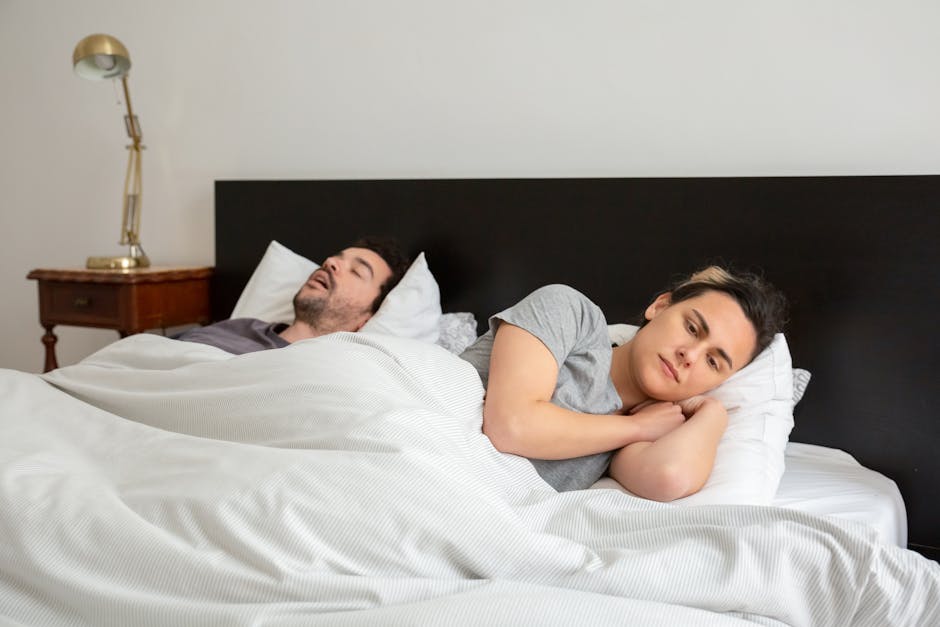
Snoring. That rumbling, sometimes rattling, often room-shaking sound that can disrupt sleep for both the snorer and anyone within earshot. It's a common problem, affecting millions, and while sometimes humorous, it can often signal underlying health issues and significantly impact quality of life. Fortunately, there are numerous remedies available to help quiet the nightly noise and promote better sleep.
One of the most common causes of snoring is nasal congestion. When the nasal passages are blocked, air is forced through a smaller opening, creating the vibrations that result in snoring. Addressing this congestion can be as simple as using a saline nasal spray or rinse before bed. For allergies, over-the-counter antihistamines or nasal corticosteroids can provide relief. A humidifier can also add moisture to the air, helping to keep nasal passages open.
Another contributing factor to snoring is sleeping position. Sleeping on your back often allows the tongue and soft tissues in the throat to relax and fall back, obstructing the airway. Try sleeping on your side. A body pillow can help maintain this position throughout the night. Elevating the head of the bed by a few inches can also help keep the airways open.
Lifestyle changes can also play a significant role in reducing snoring. Excess weight can contribute to snoring by increasing the amount of tissue in the neck and throat. Losing even a small amount of weight can make a difference. Alcohol and sedatives relax the throat muscles, exacerbating snoring. Limiting their use, especially before bed, can be beneficial. Smoking irritates the nasal passages and throat, contributing to inflammation and congestion. Quitting smoking can improve snoring and overall health.
Oral appliances are another option for addressing snoring. These devices, custom-fitted by a dentist, help reposition the jaw and tongue to keep the airway open. While they can be effective, they may take some getting used to. Continuous positive airway pressure (CPAP) therapy is often prescribed for individuals with obstructive sleep apnea, a serious condition characterized by pauses in breathing during sleep. A CPAP machine delivers a constant stream of air through a mask, keeping the airway open.
For those seeking more natural remedies, there are several options to explore. Throat exercises can strengthen the muscles in the throat, reducing the likelihood of them collapsing during sleep. Playing the didgeridoo, an Australian wind instrument, has been shown to improve snoring in some individuals. Singing can also strengthen throat muscles.
Certain essential oils, such as peppermint and eucalyptus, can help open the nasal passages and reduce congestion. Adding a few drops to a diffuser or a bowl of hot water can create a soothing and decongesting aroma. However, it's important to ensure proper ventilation and to be mindful of any potential allergies.
If snoring persists despite trying these remedies, it's important to consult a doctor. Snoring can sometimes be a symptom of underlying medical conditions, such as sleep apnea or a deviated septum. A doctor can diagnose the cause of the snoring and recommend appropriate treatment options. Addressing snoring not only improves sleep quality but can also contribute to overall health and well-being.
Leave a Reply