
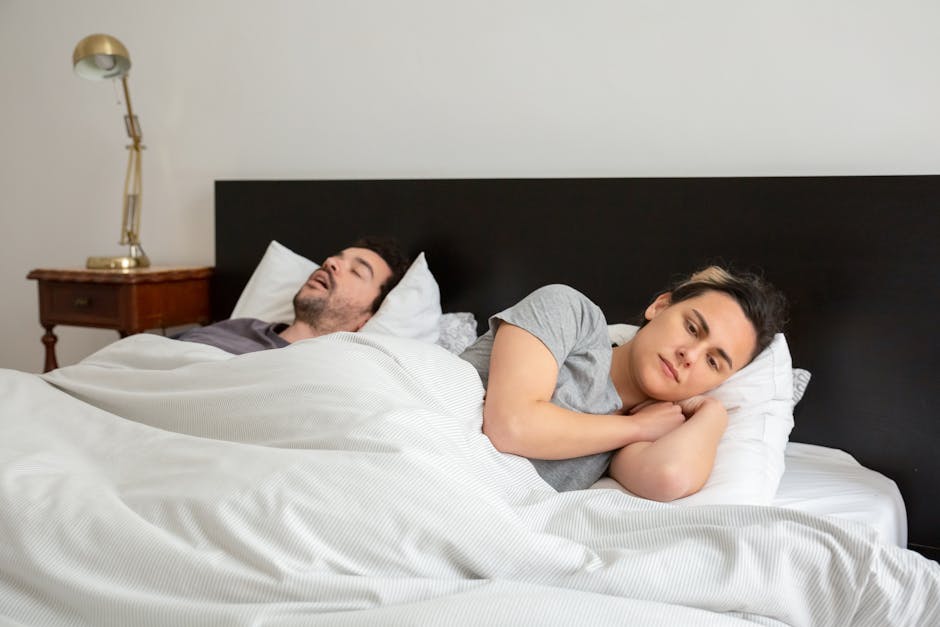
Snoring. That rumbling, rattling sound that can disrupt a peaceful night's sleep for both the snorer and their partner. While occasional snoring might not be a cause for concern, chronic snoring can be a sign of underlying health issues and significantly impact sleep quality. Fortunately, there are a variety of remedies that can help alleviate snoring and promote a more restful night.
One of the simplest and most effective remedies for snoring is changing your sleep position. Sleeping on your back often exacerbates snoring as gravity pulls the tongue and soft tissues in the throat backward, obstructing the airway. Try sleeping on your side, which can help keep the airway open and reduce snoring. You can use pillows to prop yourself up or try a specialized body pillow designed to encourage side sleeping.
Maintaining a healthy weight can also significantly impact snoring. Excess weight, particularly around the neck, can put pressure on the airway, leading to snoring. Adopting a healthy diet and incorporating regular exercise into your routine can help you manage your weight and potentially reduce snoring.
Staying hydrated is another surprisingly effective remedy. Dehydration can thicken nasal secretions, making it harder to breathe and increasing the likelihood of snoring. Make sure you're drinking plenty of water throughout the day, especially before bed.
Certain lifestyle habits can also contribute to snoring. Smoking, for example, irritates the throat and nasal passages, leading to inflammation and increased snoring. Limiting alcohol consumption, especially close to bedtime, can also help. Alcohol relaxes the throat muscles, making them more likely to collapse and obstruct the airway.
Over-the-counter nasal strips and dilators can provide relief for some snorers. These adhesive strips help open the nasal passages, making it easier to breathe and potentially reducing snoring. Similarly, nasal dilators are small, flexible devices inserted into the nostrils to widen the nasal passages.
For more persistent snoring, consider exploring oral appliances. These custom-fitted devices, available through dentists, help reposition the jaw and tongue, keeping the airway open during sleep. While they can be effective, they may take some getting used to.
If snoring persists despite trying these remedies, it's essential to consult a doctor. Chronic snoring can be a symptom of sleep apnea, a serious sleep disorder that requires medical attention. A doctor can evaluate your snoring and recommend appropriate treatment options, which may include continuous positive airway pressure (CPAP) therapy or other medical interventions.
Leave a Reply