
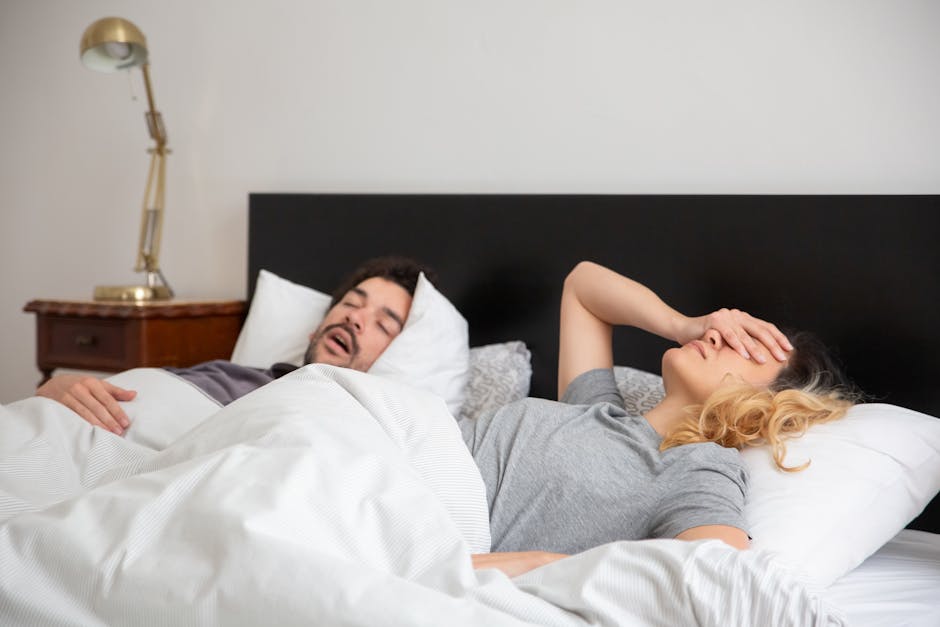
Snoring. That rumbling, rattling sound that can disrupt a peaceful night's sleep, both for the snorer and anyone within earshot. While occasional snoring isn't usually a cause for concern, chronic snoring can be a sign of a more serious underlying health issue and can significantly impact sleep quality, leading to daytime fatigue, irritability, and even relationship problems. Luckily, there are a variety of remedies available to help quiet the nightly symphony and promote better sleep.
One of the most common causes of snoring is nasal congestion. When the nasal passages are blocked, airflow is restricted, leading to vibrations in the soft tissues of the throat. Simple solutions like using a saline nasal spray or rinse before bed can help clear the nasal passages and reduce snoring. A humidifier can also add moisture to the air, preventing dryness that can irritate nasal tissues. For those with allergies, identifying and avoiding allergens can also make a significant difference.
Another contributing factor to snoring is sleeping position. Sleeping on your back often allows the tongue and soft palate to fall back into the throat, obstructing airflow. Try sleeping on your side. A body pillow can help maintain this position throughout the night. Elevating the head of the bed by a few inches can also help keep the airways open.
Lifestyle changes can also play a crucial role in reducing snoring. Excess weight can contribute to snoring by increasing the amount of tissue in the neck and throat. Losing even a small amount of weight can sometimes make a noticeable difference. Alcohol and sedatives relax the throat muscles, making snoring more likely. Avoiding these substances before bed can help. Smoking irritates the nasal passages and throat, contributing to inflammation and swelling, which can worsen snoring. Quitting smoking is beneficial for overall health, including reducing snoring.
Oral appliances, available from dentists, can help keep the airway open. These devices reposition the jaw or tongue to prevent them from obstructing airflow. While effective for some individuals, they may take some getting used to. Continuous positive airway pressure (CPAP) therapy is often prescribed for individuals with obstructive sleep apnea, a condition characterized by pauses in breathing during sleep. A CPAP machine delivers a constant stream of air through a mask, keeping the airways open and preventing snoring and apnea episodes.
For those seeking more natural remedies, there are several options worth exploring. Throat exercises can strengthen the muscles in the throat, reducing the likelihood of vibrations. Playing a wind instrument or singing can also help tone these muscles. Essential oils, such as peppermint and eucalyptus, can help open the nasal passages and improve breathing. Adding a few drops to a diffuser or a warm bath before bed can be beneficial.
If snoring persists despite trying these remedies, it's essential to consult a doctor. Chronic snoring can be a symptom of underlying medical conditions such as sleep apnea, nasal polyps, or a deviated septum. A doctor can diagnose the cause of the snoring and recommend appropriate treatment.
Snoring can be more than just a nuisance; it can significantly impact sleep quality and overall health. By exploring these remedies and seeking professional advice when necessary, you can take steps towards quieter nights and more restful sleep, for both yourself and your sleeping partner.
Leave a Reply