
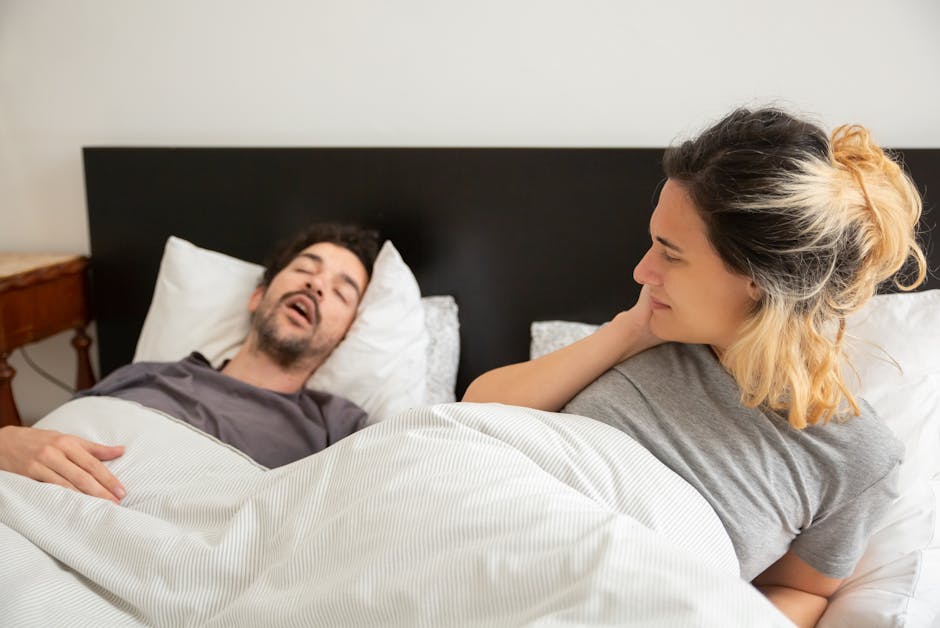
Snoring. That rumbling, rattling sound that can disrupt a peaceful night’s sleep, not just for your partner, but potentially for you too. While occasional snoring might be harmless, chronic snoring can be a sign of underlying health issues and significantly impact sleep quality. Fortunately, there are a number of remedies that can help alleviate snoring and promote better rest.
One of the most common causes of snoring is nasal congestion. When the nasal passages are blocked, airflow is restricted, leading to vibrations in the soft tissues of the throat. Simple solutions like nasal strips or saline nasal sprays can help open up the airways and reduce snoring. A hot shower before bed can also help clear nasal passages and loosen mucus.
Another contributing factor to snoring is sleeping position. Sleeping on your back often allows the tongue and soft palate to fall back into the throat, obstructing airflow. Try sleeping on your side. A body pillow can help maintain this position throughout the night. Elevating the head of the bed by a few inches can also help keep the airways open.
Lifestyle changes can also play a significant role in reducing snoring. Excess weight can put pressure on the throat, contributing to snoring. Losing even a small amount of weight can make a difference. Regular exercise can also improve muscle tone and overall health, which can positively impact snoring.
Alcohol and sedatives relax the throat muscles, increasing the likelihood of snoring. Avoid consuming alcohol or taking sedatives close to bedtime. Smoking irritates the nasal passages and throat, leading to inflammation and increased snoring. Quitting smoking can significantly improve snoring and overall health.
Certain medical devices can also be effective in treating snoring. Mandibular advancement devices (MADs) are custom-fit oral appliances that reposition the jaw and tongue to keep the airways open. Continuous positive airway pressure (CPAP) machines deliver a constant stream of air through a mask, keeping the airways open and preventing snoring. Consult with a doctor to determine if these devices are appropriate for you.
If snoring persists despite trying these remedies, it's essential to consult with a doctor. Snoring can be a symptom of underlying medical conditions such as sleep apnea, a serious sleep disorder that requires medical attention. A doctor can diagnose the cause of your snoring and recommend appropriate treatment.
By addressing the underlying causes of snoring and implementing these remedies, you can significantly improve your sleep quality and enjoy quieter, more restful nights. Don't let snoring disrupt your sleep any longer. Take action and reclaim the peaceful sleep you deserve.
Leave a Reply