
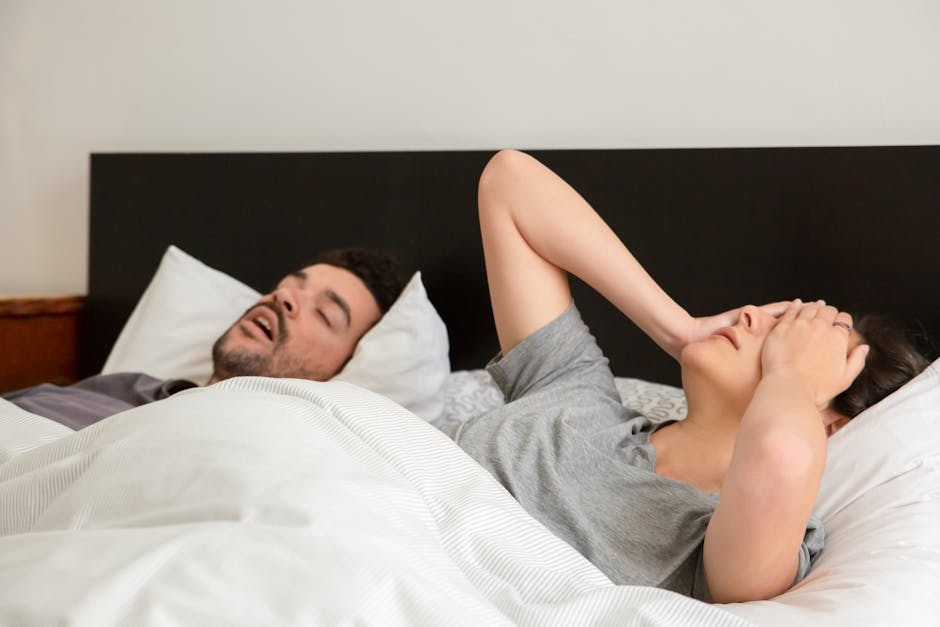
Snoring. That rumbling, rattling sound that can disrupt a peaceful night's sleep, both for the snorer and anyone within earshot. While occasional snoring is usually harmless, chronic snoring can be a sign of underlying health issues and can significantly impact sleep quality. Fortunately, there are a variety of remedies available to help quiet the night and promote better sleep.
Lifestyle changes can often make a significant difference in reducing snoring. Maintaining a healthy weight is crucial, as excess weight can contribute to snoring by putting pressure on the airway. Regular exercise can help with weight management and improve overall muscle tone, including the muscles in the throat. Avoiding alcohol and sedatives before bed is also important, as these substances can relax the throat muscles, increasing the likelihood of snoring.
Another simple lifestyle change that can help is adjusting your sleep position. Sleeping on your back often exacerbates snoring because gravity pulls the tongue and soft tissues in the throat backward, obstructing the airway. Try sleeping on your side, which can help keep the airway open and reduce snoring. Using a special pillow designed to encourage side sleeping can also be beneficial.
Staying hydrated is important for overall health and can also help with snoring. Dehydration can thicken nasal secretions, making it harder to breathe and potentially leading to snoring. Drinking plenty of water throughout the day can help keep nasal passages clear and reduce congestion.
For some individuals, allergies or nasal congestion may be contributing to their snoring. Addressing these underlying issues can often alleviate snoring. Over-the-counter nasal strips or decongestants can help open up the nasal passages, making it easier to breathe. If allergies are a problem, consider using antihistamines or consulting an allergist for more targeted treatment.
Oral appliances are another option for treating snoring. These devices, custom-fitted by a dentist, help reposition the jaw and tongue, keeping the airway open during sleep. While they can be effective, they may take some getting used to and might not be suitable for everyone.
In more severe cases of snoring, particularly those associated with obstructive sleep apnea, a continuous positive airway pressure (CPAP) machine may be necessary. This device delivers a constant stream of air through a mask, keeping the airway open and preventing snoring. While highly effective, CPAP machines can be cumbersome and require consistent use.
If snoring persists despite trying these remedies, it's important to consult a doctor. Chronic snoring can be a symptom of underlying medical conditions, such as sleep apnea, which requires proper diagnosis and treatment. A doctor can evaluate your snoring and recommend the most appropriate course of action.
Leave a Reply