
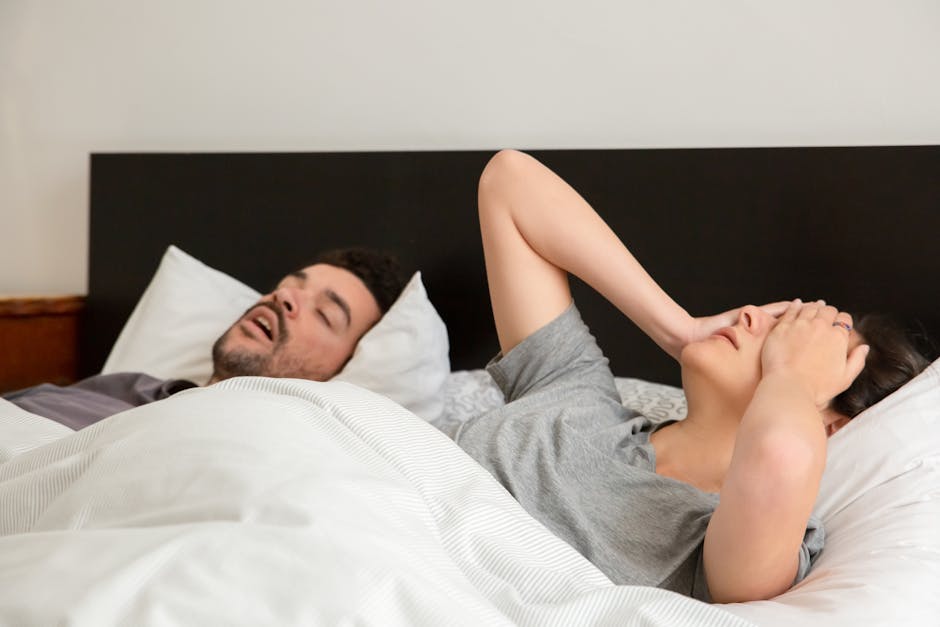
Snoring. That rumbling, rattling sound that can disrupt a peaceful night's sleep, not only for your partner but potentially for you too. While often dismissed as a minor annoyance, snoring can sometimes be a symptom of a more serious underlying health issue. Understanding the causes and exploring various remedies can help you and your loved ones reclaim those precious hours of restful slumber.
Snoring occurs when the airflow through your nose and throat is partially obstructed during sleep. This obstruction causes the surrounding tissues to vibrate, producing the characteristic snoring sound. Several factors can contribute to this obstruction, including the anatomy of your mouth and sinuses, alcohol consumption, allergies, colds, and being overweight. Identifying the underlying cause can be the first step towards finding an effective solution.
One of the simplest and most effective remedies for snoring is changing your sleep position. Sleeping on your back often exacerbates snoring as gravity pulls the tongue and soft palate back towards the throat, narrowing the airway. Try sleeping on your side, which can help keep the airway open and reduce snoring. A body pillow can help maintain this position throughout the night.
Maintaining a healthy weight can significantly impact snoring. Excess weight, particularly around the neck, can put pressure on the airway, making it more likely to collapse during sleep. Regular exercise and a balanced diet can contribute to weight loss and potentially alleviate snoring.
Staying hydrated is crucial for overall health and can also help reduce snoring. When you're dehydrated, the secretions in your nose and throat become thicker and stickier, increasing the likelihood of airway obstruction. Drinking plenty of water throughout the day can help keep these secretions thin and less likely to cause snoring.
Nasal congestion is a common culprit behind snoring. Allergies, colds, and sinus infections can cause the nasal passages to swell, making it difficult to breathe through your nose. Using a saline nasal spray or rinse can help clear out nasal passages, improving airflow and potentially reducing snoring. Over-the-counter decongestants can also provide temporary relief.
For some individuals, oral appliances can be an effective solution. These devices, custom-fitted by a dentist, help reposition the jaw and tongue, keeping the airway open during sleep. While they can be expensive, they can provide significant relief for those who haven't found success with other remedies.
If snoring persists despite trying these remedies, it's important to consult a doctor. Snoring can sometimes be a symptom of sleep apnea, a serious sleep disorder characterized by pauses in breathing during sleep. A doctor can perform a sleep study to diagnose sleep apnea and recommend appropriate treatment options, which may include a continuous positive airway pressure (CPAP) machine.
Leave a Reply