
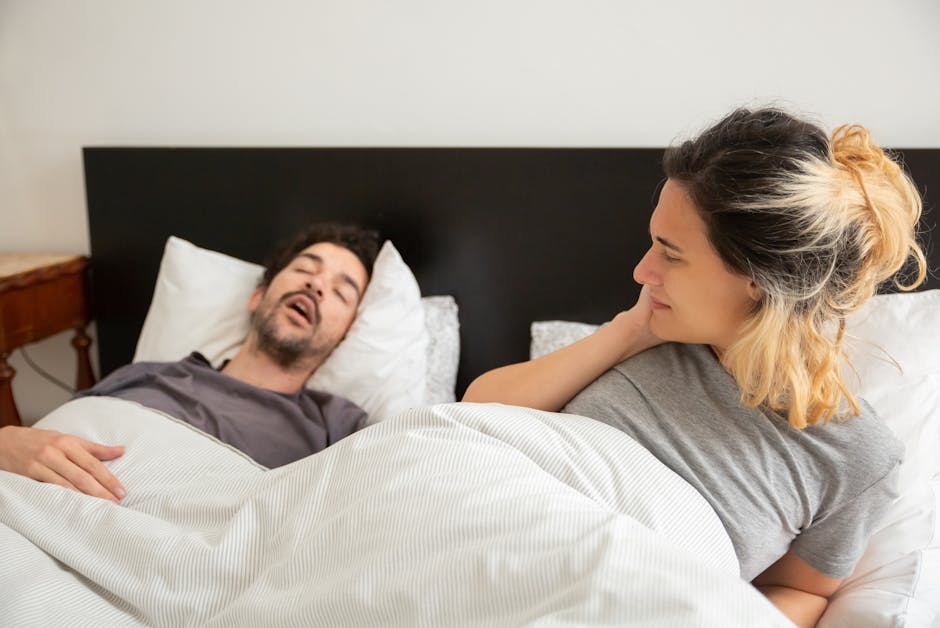
Snoring. That rumbling, sometimes rattling, often room-shaking sound that can disrupt sleep for both the snorer and anyone within earshot. It's a common problem, affecting millions, and can range from a mild annoyance to a sign of a more serious underlying health issue. Fortunately, there are a variety of remedies that can help alleviate snoring and restore peaceful nights.
One of the most effective lifestyle changes you can make is to lose weight if you are overweight or obese. Excess weight, especially around the neck, can put pressure on the airways, contributing to snoring. Even a modest weight loss can make a significant difference in reducing or even eliminating snoring.
Regular exercise can also improve snoring. It strengthens the muscles in your throat and improves overall cardiovascular health, which can contribute to better breathing during sleep. Aim for at least 30 minutes of moderate-intensity exercise most days of the week.
Sleeping on your side can also help. When you sleep on your back, the base of your tongue and soft palate can collapse to the back wall of your throat, partially obstructing airflow and causing snoring. Sleeping on your side helps keep your airways open. Try using a body pillow or sewing a tennis ball into the back of your pajamas to discourage back sleeping.
Staying hydrated is important for overall health and can also help reduce snoring. When you're dehydrated, secretions in your nose and soft palate become thicker and stickier, which can contribute to snoring. Make sure to drink plenty of water throughout the day.
Avoiding alcohol and sedatives before bed can also make a difference. These substances relax the muscles in your throat, making you more likely to snore. Try to avoid consuming alcohol or taking sedatives at least a few hours before bedtime.
If lifestyle changes aren't enough, there are several over-the-counter aids available. Nasal strips can help open up your nasal passages, improving airflow. Oral appliances, like mandibular advancement devices, can help keep your airway open by bringing your lower jaw forward. There are also a variety of throat sprays and lubricants that can help reduce snoring.
If your snoring is severe or accompanied by other symptoms like excessive daytime sleepiness or gasping for air during sleep, it's important to consult a doctor. Snoring can sometimes be a symptom of obstructive sleep apnea, a serious sleep disorder that requires medical attention. Your doctor can diagnose the cause of your snoring and recommend the most appropriate treatment options.
Leave a Reply