
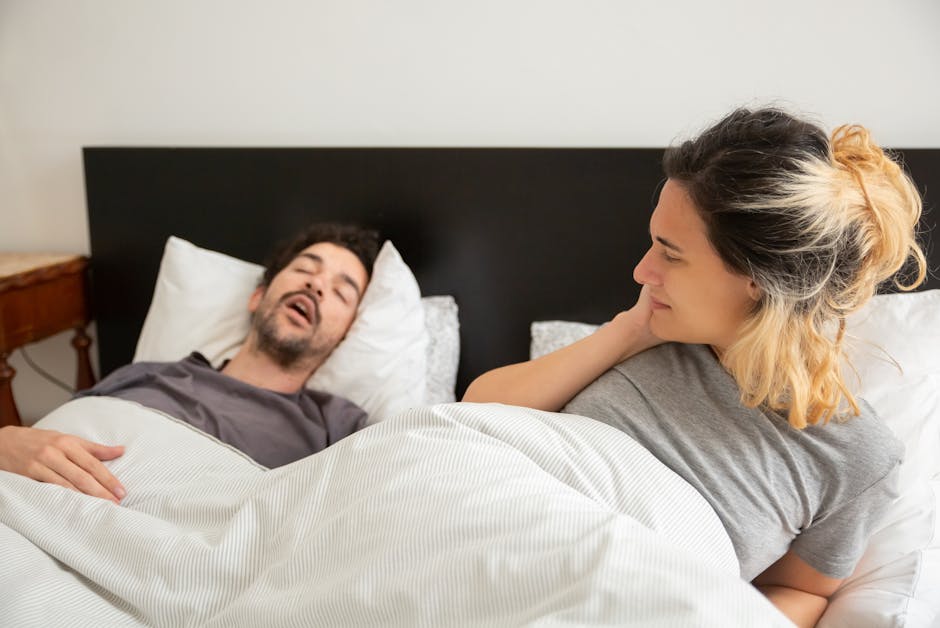
Snoring. It's the nighttime noise that can disrupt sleep for both the snorer and anyone within earshot. While occasional snoring isn't usually a cause for concern, chronic snoring can be a sign of underlying health issues and can significantly impact sleep quality. Luckily, there are a number of remedies that can help quiet the nightly rumble.
One of the most common causes of snoring is nasal congestion. When the nasal passages are blocked, air is forced through a smaller opening, creating the vibrations that cause snoring. Simple solutions like nasal strips or saline nasal sprays can help open up the airways and reduce snoring. A neti pot can also be effective for rinsing nasal passages and clearing out congestion.
Another culprit behind snoring is sleeping position. Sleeping on your back often leads to the tongue and soft tissues in the throat collapsing into the airway, resulting in those telltale snores. Try sleeping on your side. A body pillow can help maintain this position throughout the night.
Excess weight can also contribute to snoring. Fatty tissue around the neck can put pressure on the airway, making it narrower. Even a modest weight loss can make a noticeable difference in snoring intensity. Incorporating regular exercise and a healthy diet can improve overall health and help reduce snoring.
Alcohol and certain medications, like sedatives and muscle relaxants, can relax the throat muscles, increasing the likelihood of snoring. Limiting alcohol consumption, especially close to bedtime, can help. If you suspect your medication is contributing to your snoring, talk to your doctor about potential alternatives.
Staying hydrated is important for overall health and can also impact snoring. When you're dehydrated, secretions in your nose and throat can become thicker and stickier, contributing to airway obstruction and snoring. Drinking plenty of water throughout the day can help keep these passages clear.
For more persistent snoring, there are other options to explore. Oral appliances, custom-fitted by a dentist, can help reposition the jaw and tongue to keep the airway open. Continuous Positive Airway Pressure (CPAP) machines deliver a constant stream of air through a mask, preventing the airway from collapsing. These options are typically recommended for individuals with obstructive sleep apnea, a more serious condition characterized by pauses in breathing during sleep.
If your snoring is significantly impacting your sleep or the sleep of your partner, or if it's accompanied by other symptoms like excessive daytime sleepiness or gasping for air during sleep, it's important to consult a doctor. They can help determine the underlying cause of your snoring and recommend the most appropriate treatment options.
Leave a Reply