
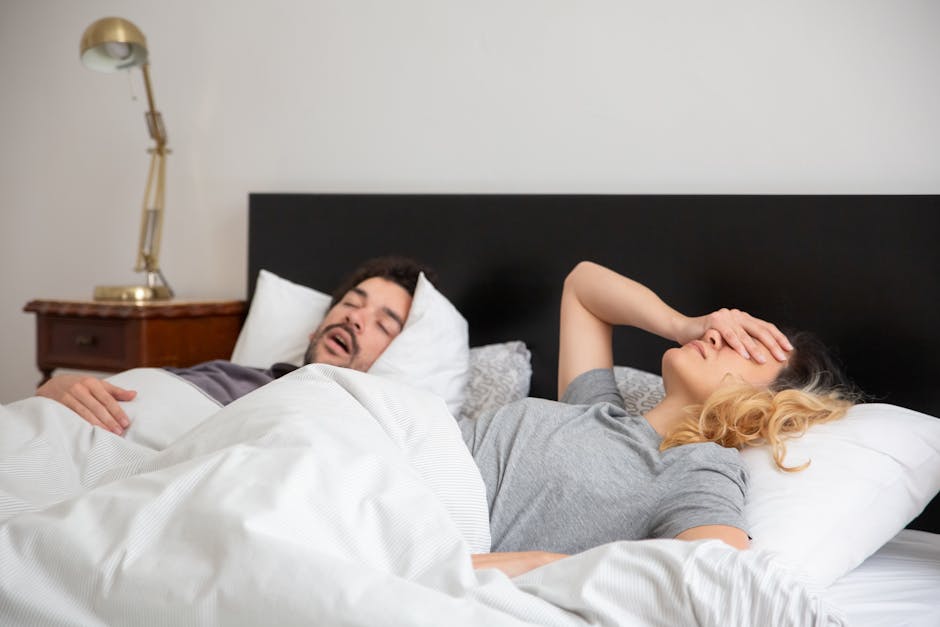
Snoring. That rattling, rumbling sound that can disrupt your sleep and your partner's. Millions of people snore, and while it might seem like a minor inconvenience, it can be a sign of underlying health issues and significantly impact sleep quality. Luckily, there are a number of effective remedies that can help silence the night.
Snoring occurs when the airflow through your nose and throat is obstructed, causing the surrounding tissues to vibrate. These vibrations create the characteristic snoring sound. Several factors can contribute to this obstruction, including the anatomy of your mouth and sinuses, alcohol consumption, allergies, and sleep position.
One of the simplest and most effective remedies is changing your sleep position. Sleeping on your side can help keep your airway open and reduce snoring. If you tend to roll onto your back during the night, try using a body pillow or placing a tennis ball in a sock sewn to the back of your pajamas to discourage back sleeping.
Losing weight, even a small amount, can make a significant difference in snoring. Excess weight around the neck can compress the airway, making it more likely to collapse during sleep. Regular exercise and a healthy diet can help you shed those extra pounds and breathe easier at night.
Staying hydrated is also crucial for reducing snoring. Dehydration thickens nasal secretions, which can further obstruct the airway. Make sure to drink plenty of water throughout the day, especially in the evening.
Avoiding alcohol and sedatives before bed is another important step. These substances relax the muscles in the throat, increasing the likelihood of snoring. Nicotine also irritates the nasal passages and can worsen snoring, so quitting smoking is beneficial for overall health and better sleep.
Nasal strips and dilators can help open up the nasal passages, improving airflow and reducing snoring. These over-the-counter remedies are readily available and can provide immediate relief for some individuals. Similarly, saline nasal sprays or rinses can help clear nasal congestion and improve breathing.
If snoring persists despite trying these remedies, it's essential to consult a doctor. Snoring can be a symptom of sleep apnea, a serious sleep disorder that requires medical attention. A doctor can evaluate your snoring and recommend appropriate treatment options, which may include a continuous positive airway pressure (CPAP) machine or other interventions.
Leave a Reply