
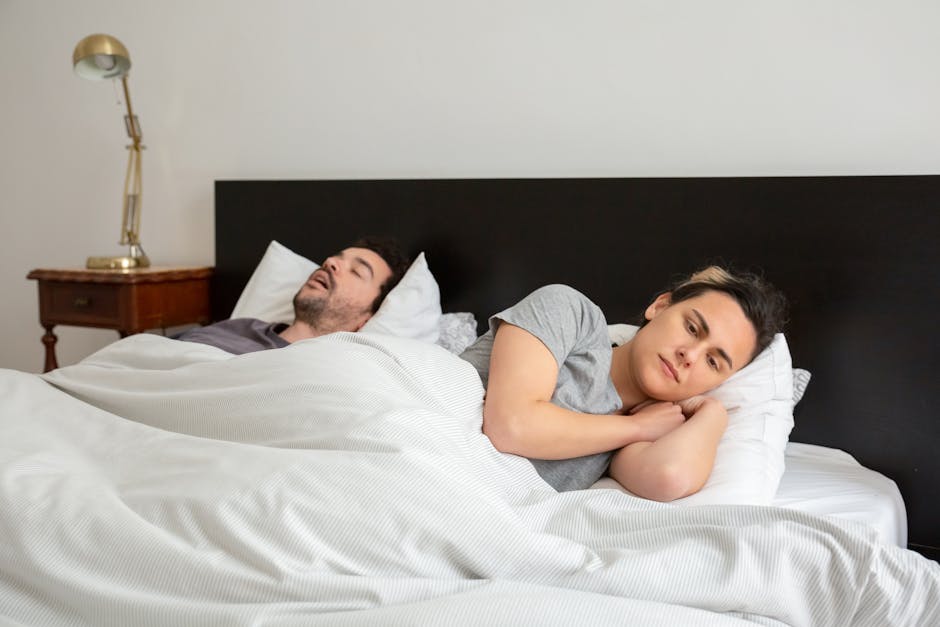
Snoring. That rumbling, guttural sound that can transform a peaceful bedroom into a nocturnal symphony of sawing logs. It’s a common problem, affecting millions, and it can be a source of frustration for both the snorer and their sleep partner. Luckily, there are a variety of remedies available to help quiet the nightly noise and promote a more restful sleep for everyone involved.
One of the simplest and most effective remedies for snoring is changing your sleep position. Sleeping on your back often exacerbates snoring as gravity pulls the tongue and soft tissues in the throat backward, obstructing the airway. Try sleeping on your side. A simple trick is to sew a tennis ball into the back of your pajamas to discourage rolling onto your back.
Maintaining a healthy weight can also significantly impact snoring. Excess weight, particularly around the neck, can put pressure on the airway, contributing to the vibrations that cause snoring. Even a modest weight loss can make a noticeable difference in reducing snoring frequency and intensity.
Alcohol and sedatives relax the throat muscles, which can lead to increased snoring. Avoiding these substances, especially close to bedtime, can help keep the airway open and reduce snoring. Similarly, smoking irritates the nasal passages and throat, leading to inflammation and increased mucus production, which can worsen snoring.
Staying hydrated is important for overall health and can also help reduce snoring. When you're dehydrated, the secretions in your nose and throat become thicker and stickier, increasing the likelihood of airway obstruction and snoring. Drinking plenty of water throughout the day can help keep these passages clear.
Nasal congestion can also contribute to snoring. If allergies or a cold are causing congestion, using a saline nasal spray or nasal strips can help open the nasal passages and improve airflow, reducing the need to breathe through the mouth and potentially lessening snoring.
For more persistent snoring, there are several devices available that can help. Mandibular advancement devices (MADs) are custom-fitted oral appliances that reposition the lower jaw and tongue forward, opening the airway. Continuous positive airway pressure (CPAP) machines deliver a constant stream of air through a mask, keeping the airway open and preventing snoring.
If snoring continues despite trying these remedies, it’s important to consult a doctor. Snoring can sometimes be a symptom of a more serious underlying condition like sleep apnea, a disorder characterized by pauses in breathing during sleep. A doctor can evaluate your snoring and determine the best course of treatment.
Leave a Reply