
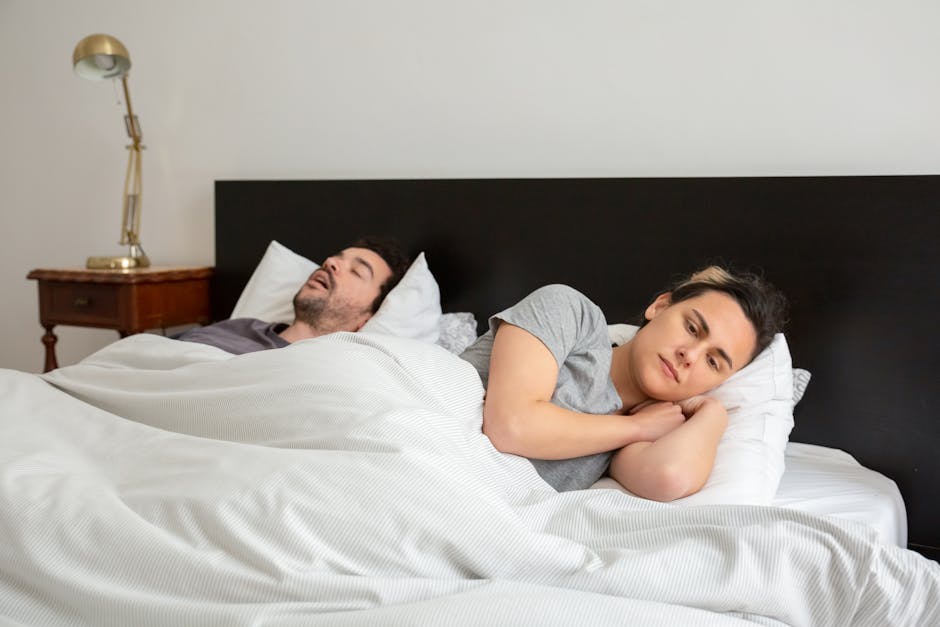
Snoring. That rumbling, rattling sound that can disrupt a peaceful night's sleep, not just for your partner, but potentially for you too. While occasional snoring might be harmless, chronic snoring can be a sign of underlying health issues and significantly impact sleep quality. Fortunately, there are numerous remedies available to help quiet the night and promote better rest.
One of the most common causes of snoring is nasal congestion. When the nasal passages are blocked, air is forced through a smaller opening, creating the vibrations that cause snoring. Simple solutions like saline nasal sprays or rinses can help clear congestion and reduce snoring. Nasal strips, which adhere to the bridge of the nose, can also help widen the nasal passages and improve airflow.
Lifestyle changes can also play a significant role in reducing snoring. Maintaining a healthy weight is crucial, as excess weight can contribute to fatty tissue around the neck, constricting the airways. Regular exercise and a balanced diet can help achieve and maintain a healthy weight. Avoiding alcohol and sedatives before bed is also recommended, as these substances relax the throat muscles, increasing the likelihood of snoring.
Sleeping position can also influence snoring. Sleeping on your back often exacerbates snoring, as gravity pulls the tongue and soft tissues backward, obstructing the airway. Try sleeping on your side, using pillows to prop yourself up and maintain this position throughout the night. Specialized pillows designed to promote side sleeping are also available.
For those with allergies, managing allergens in the bedroom can significantly reduce snoring. Dust mites are a common culprit, so regularly washing bedding in hot water and using hypoallergenic covers for mattresses and pillows can help. Air purifiers can also help remove allergens from the air, creating a cleaner sleeping environment.
Oral appliances, custom-fitted by a dentist, can help reposition the jaw and tongue, keeping the airway open and reducing snoring. These devices can be effective for many individuals, but it's essential to consult with a dentist to determine suitability and ensure proper fit. While over-the-counter options exist, they may not be as effective or comfortable as custom-fitted appliances.
In some cases, surgery may be considered to address anatomical issues contributing to snoring. Procedures like uvulopalatopharyngoplasty (UPPP) or laser-assisted uvulopalatoplasty (LAUP) remove or reshape excess tissue in the throat, widening the airway. However, surgery is typically reserved for severe cases that haven't responded to other treatments.
If snoring persists despite trying various remedies or is accompanied by other symptoms like excessive daytime sleepiness or gasping for air during sleep, it's crucial to consult a doctor. Snoring can be a symptom of sleep apnea, a serious sleep disorder that requires medical attention. A sleep study can help diagnose sleep apnea and determine the appropriate treatment.
Leave a Reply