
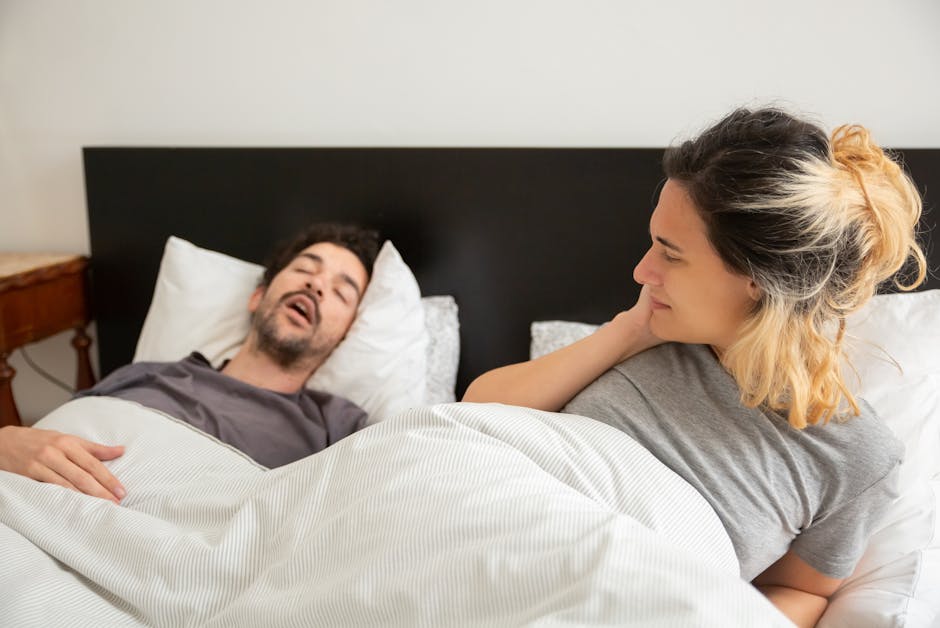
Snoring, that rumbling, sometimes rattling sound that disrupts sleep for both the snorer and anyone within earshot, is a common problem. It occurs when air can't move freely through the back of your throat during sleep, causing the surrounding tissues to vibrate. While occasional snoring may not be cause for concern, habitual snoring can signal underlying health issues and significantly impact sleep quality. Fortunately, there are numerous remedies and solutions available to help silence the night.
Lifestyle changes can often make a significant difference in reducing or eliminating snoring. Maintaining a healthy weight is crucial, as excess weight can contribute to fatty tissue buildup in the throat, constricting airflow. Regular exercise, a balanced diet, and portion control can help achieve and maintain a healthy weight. Avoiding alcohol and sedatives before bed is also important, as these substances relax the throat muscles, increasing the likelihood of snoring. Establishing a regular sleep schedule can improve sleep quality and reduce snoring frequency.
Sleeping position plays a significant role in snoring. Sleeping on your back often exacerbates snoring as gravity pulls the tongue and soft palate backward, obstructing the airway. Try sleeping on your side to keep the airway open. You can use pillows to prop yourself up or specialized pillows designed to encourage side sleeping. Elevating the head of the bed by a few inches can also help reduce snoring by improving airflow.
Staying hydrated is essential for overall health and can also help reduce snoring. When dehydrated, the secretions in your nose and soft palate become stickier, increasing the likelihood of snoring. Drinking plenty of water throughout the day, especially in the hours leading up to bedtime, can help keep these tissues moist and reduce airway resistance.
Over-the-counter nasal strips and dilators can provide relief for some snorers. Nasal strips adhere to the bridge of the nose, gently widening the nostrils and improving airflow. Nasal dilators are small, flexible devices inserted into the nostrils to keep the nasal passages open. These options can be particularly helpful for snorers with nasal congestion or a deviated septum.
For more persistent snoring, oral appliances can be an effective solution. These custom-fitted devices, worn during sleep, reposition the jaw and tongue to keep the airway open. While they can be expensive, oral appliances can significantly reduce or eliminate snoring in many cases. Consulting with a dentist or sleep specialist is necessary to determine the appropriate type of oral appliance.
In some cases, medical intervention may be necessary to address the underlying causes of snoring. Continuous positive airway pressure (CPAP) therapy is a common treatment for obstructive sleep apnea, a condition characterized by pauses in breathing during sleep. A CPAP machine delivers a constant stream of air through a mask, keeping the airway open and preventing snoring. Surgery may be an option in cases where anatomical abnormalities, such as enlarged tonsils or a deviated septum, contribute to snoring.
If snoring persists despite trying these remedies, it's essential to consult with a healthcare professional. They can evaluate your specific situation, identify any underlying medical conditions, and recommend the most appropriate course of action. Addressing snoring not only improves sleep quality for both the snorer and their partner but can also contribute to better overall health and well-being.
Leave a Reply