
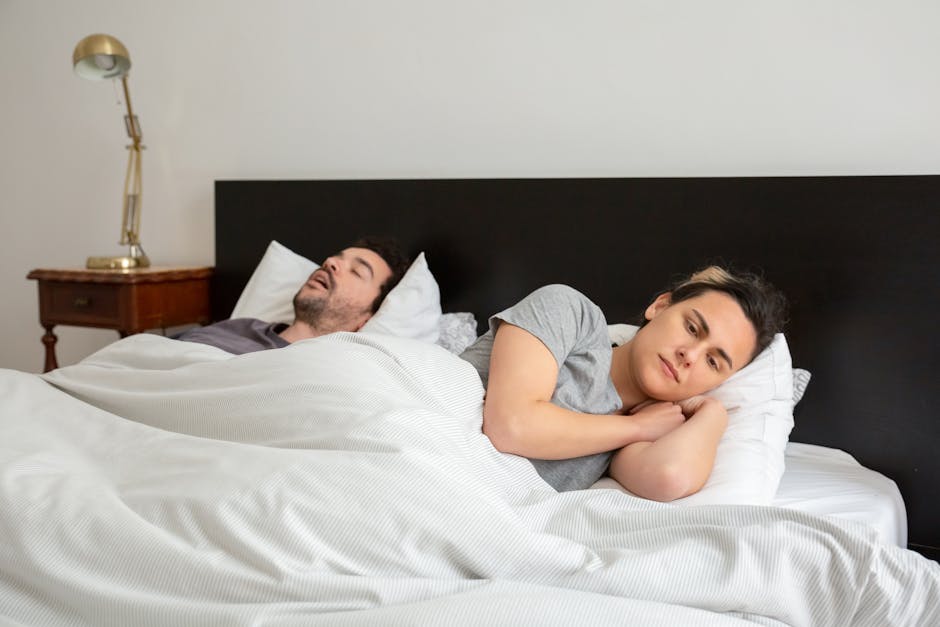
Snoring. That rumbling, rattling sound that can disrupt a peaceful night's sleep. It's a common problem, affecting millions of people and their partners. While sometimes humorous, snoring can be a serious issue, indicative of underlying health problems and a major contributor to sleep deprivation. If you or someone you love is struggling with snoring, know that you're not alone, and there are solutions.
Snoring occurs when the airflow through your nose and throat is obstructed during sleep. This obstruction causes the surrounding tissues to vibrate, creating the characteristic snoring sound. Several factors can contribute to this obstruction, including the anatomy of your mouth and sinuses, alcohol consumption, allergies, colds, and being overweight.
Identifying the underlying cause of snoring is crucial for finding an effective remedy. If you’re unsure what's causing your snoring, consulting a doctor or sleep specialist is a good first step. They can help determine if there are any underlying medical conditions contributing to the problem, such as sleep apnea.
For many people, simple lifestyle changes can make a significant difference. Losing weight, if you're overweight or obese, can often reduce or eliminate snoring. Regular exercise can also improve muscle tone and contribute to better sleep. Avoiding alcohol and sedatives before bed can also help, as these substances relax the throat muscles, making snoring more likely.
Sleeping on your side can also help keep your airway open. If you tend to sleep on your back, try using a pillow or body pillow to prop yourself up on your side. There are also specialized pillows designed to encourage side sleeping and improve breathing.
Over-the-counter nasal strips and dilators can help open up the nasal passages, making it easier to breathe. These are particularly helpful if your snoring is caused by nasal congestion due to allergies or a cold. Similarly, using a saline nasal spray or neti pot before bed can help clear out nasal passages.
For more persistent snoring, there are other options to explore. Oral appliances, custom-fitted by a dentist, can help reposition the jaw and tongue to keep the airway open. Continuous positive airway pressure (CPAP) machines are another option, particularly for individuals with sleep apnea. These machines deliver a constant stream of air through a mask, keeping the airway open and preventing snoring.
Finding the right solution for snoring may require some experimentation. What works for one person may not work for another. Be patient, and don't be afraid to try different approaches until you find what provides you or your loved one with a peaceful, snore-free night's sleep.
Leave a Reply