
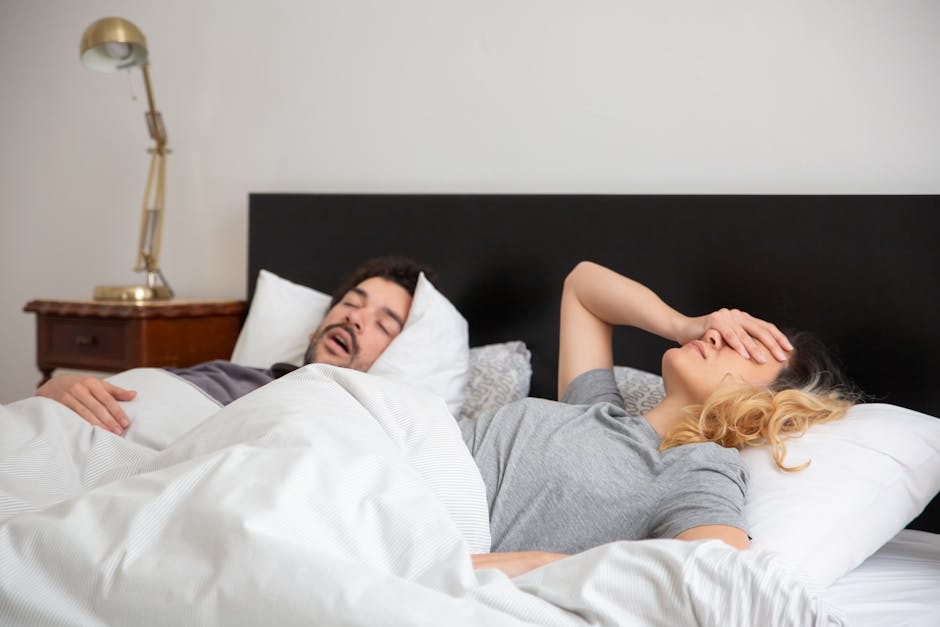
Snoring. That rumbling, sometimes whistling, often disruptive sound that can plague your sleep and test the patience of anyone within earshot. While it’s a common problem, affecting millions worldwide, it doesn’t have to be something you (or your loved ones) simply endure. There are a number of remedies that can help reduce or even eliminate snoring, leading to more peaceful nights and happier mornings.
Snoring occurs when the airflow through your nose and throat is physically obstructed, causing the surrounding tissues to vibrate. This obstruction can be caused by a variety of factors, including nasal congestion, the anatomy of your mouth and throat, alcohol consumption, sleep position, and being overweight. Understanding the underlying cause of your snoring is the first step toward finding an effective solution.
One of the simplest and most effective remedies is changing your sleep position. Sleeping on your back often exacerbates snoring, as gravity can pull the tongue and soft tissues in the throat backward, further obstructing the airway. Try sleeping on your side, which can help keep the airway open and reduce snoring. You can use pillows strategically placed to maintain this position throughout the night.
If nasal congestion is contributing to your snoring, addressing the congestion itself can make a significant difference. Nasal strips, saline nasal sprays, or a neti pot can help clear the nasal passages, allowing for easier breathing and potentially reducing snoring. For allergies, consider taking an antihistamine before bed.
Maintaining a healthy weight can also play a role in reducing snoring. Excess weight, especially around the neck, can put pressure on the airway, contributing to the problem. A balanced diet and regular exercise can help you achieve and maintain a healthy weight, potentially alleviating snoring in the process.
Limiting alcohol consumption, especially close to bedtime, is another helpful strategy. Alcohol relaxes the throat muscles, making them more likely to collapse and obstruct the airway during sleep. Avoiding alcohol for several hours before bed can minimize this effect.
For persistent snoring, oral appliances can be a viable option. These devices, custom-fitted by a dentist, help reposition the jaw and tongue, keeping the airway open. While they can be effective, they may take some getting used to.
Finally, if other remedies haven't provided sufficient relief, it's important to consult with a doctor or sleep specialist. They can evaluate your specific situation and determine if there are any underlying medical conditions contributing to your snoring, such as sleep apnea. They can also recommend further treatment options, if necessary.
Leave a Reply