
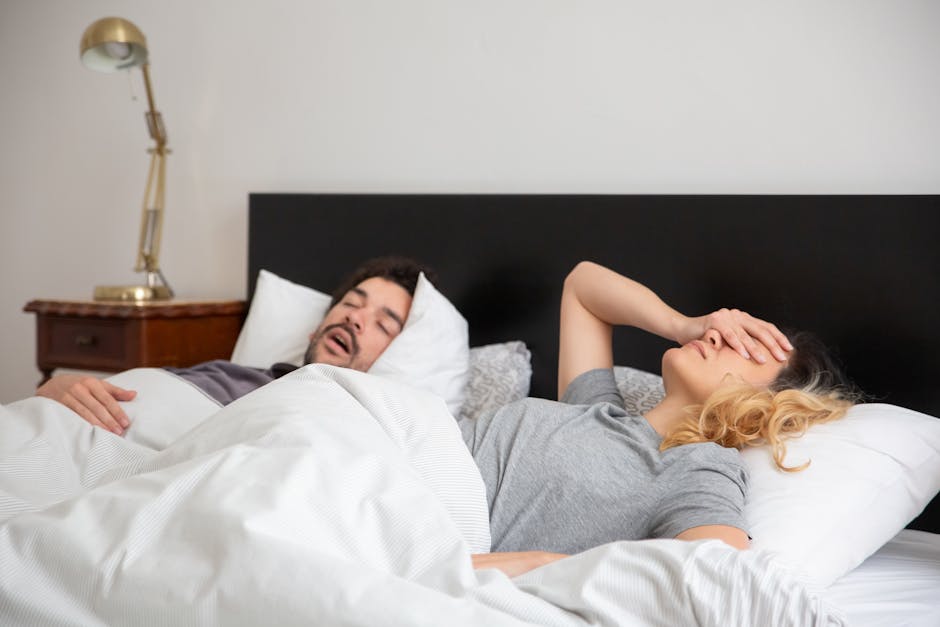
Snoring. That rumbling, sometimes whistling, often disruptive sound that can keep you and your partner awake at night. While occasional snoring isn't usually a cause for concern, chronic snoring can signal underlying health issues and significantly impact sleep quality. Luckily, there are a number of remedies that can help alleviate snoring and promote a more restful night's sleep.
One of the most common causes of snoring is nasal congestion. When the nasal passages are blocked, air is forced through a smaller opening, creating the vibrations that cause snoring. Using a saline nasal spray or rinse can help clear the nasal passages and reduce snoring. Similarly, nasal strips, which adhere to the bridge of the nose, can help open up the airways and improve airflow.
Another contributing factor to snoring is sleeping position. Sleeping on your back can cause the tongue and soft palate to collapse into the back of the throat, obstructing airflow. Try sleeping on your side to keep the airways open. A body pillow can help maintain this position throughout the night. Elevating the head of the bed by a few inches can also help prevent the tissues in the throat from collapsing.
Maintaining a healthy weight can significantly impact snoring. Excess weight, particularly around the neck, can put pressure on the airways, making it more difficult to breathe easily. Regular exercise and a balanced diet can help you achieve and maintain a healthy weight, potentially reducing or eliminating snoring.
Staying hydrated is important for overall health and can also help reduce snoring. When you're dehydrated, the secretions in your nose and throat become thicker and stickier, which can contribute to snoring. Drinking plenty of water throughout the day can help keep these secretions thin and less likely to obstruct airflow.
Alcohol and certain medications, such as sedatives and muscle relaxants, can relax the muscles in the throat, making snoring more likely. Limiting alcohol consumption, particularly close to bedtime, and discussing medication side effects with your doctor can help minimize snoring.
If lifestyle changes don't provide sufficient relief, there are other options to explore. Oral appliances, custom-fitted by a dentist, can help reposition the jaw and tongue to keep the airways open. Continuous positive airway pressure (CPAP) therapy, which involves wearing a mask that delivers pressurized air, is often prescribed for obstructive sleep apnea, a more serious condition that often involves snoring.
While snoring can be a frustrating problem, it's often manageable with simple lifestyle changes and readily available remedies. If your snoring is severe or accompanied by other symptoms like excessive daytime sleepiness, it's important to consult a doctor to rule out any underlying medical conditions.
Leave a Reply