
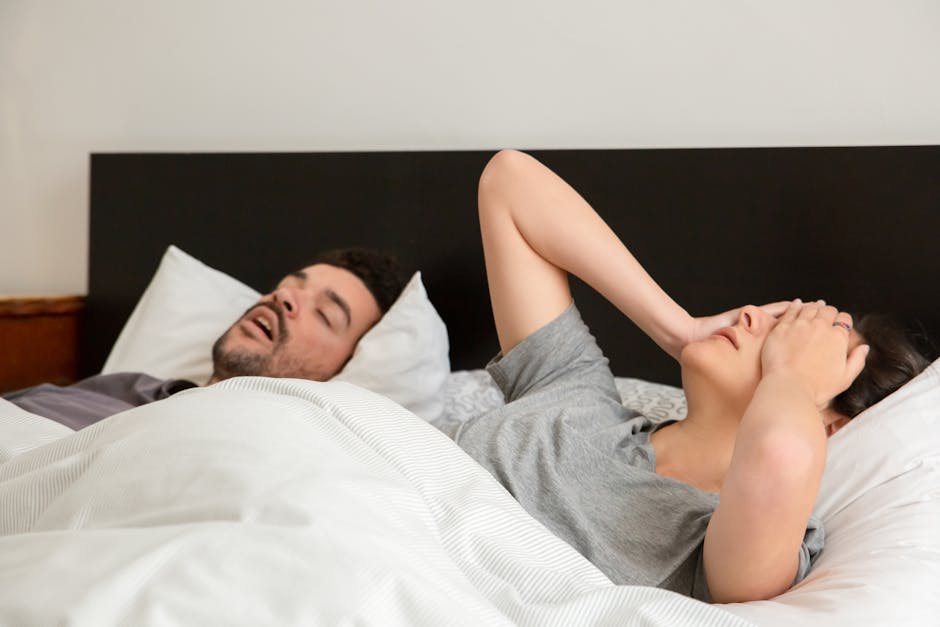
Snoring. That rumbling, sometimes whistling, often disruptive sound that can keep you and your partner up at night. It's a common problem, affecting millions of people, and can range from a minor annoyance to a sign of a more serious underlying health issue. Luckily, there are a number of remedies that can help alleviate snoring and promote a more restful night's sleep.
One of the simplest and most effective solutions is changing your sleep position. Sleeping on your back often exacerbates snoring as gravity pulls the soft tissues in your throat backward, narrowing the airway. Try sleeping on your side, which can help keep the airway open and reduce snoring. You can use pillows to prop yourself up or even sew a tennis ball into the back of your pajama top to discourage back sleeping.
Maintaining a healthy weight can also significantly impact snoring. Excess weight, particularly around the neck area, can put pressure on the airway, leading to snoring. A balanced diet and regular exercise can help you shed those extra pounds and potentially reduce or eliminate snoring.
Staying hydrated is another important factor in combating snoring. When you're dehydrated, the secretions in your nose and throat become thicker and stickier, which can contribute to snoring. Drinking plenty of water throughout the day, especially in the hours leading up to bedtime, can help keep these passages clear.
Avoiding alcohol and certain medications before bed can also make a difference. Alcohol and some medications, such as muscle relaxants and sedatives, can relax the muscles in your throat, making snoring more likely. Limit your alcohol intake and talk to your doctor about any medications that might be contributing to your snoring.
Creating a regular sleep schedule can help regulate your body's natural sleep-wake cycle, promoting better sleep quality overall. A consistent bedtime routine can also help you relax and prepare for sleep, potentially reducing snoring.
For more persistent snoring, nasal strips or dilators can be helpful. These adhesive strips gently open the nasal passages, allowing for easier breathing and potentially reducing snoring. Another option is an oral appliance, a custom-fitted device worn in the mouth during sleep to help keep the airway open.
If your snoring is severe or accompanied by other symptoms such as excessive daytime sleepiness, gasping for air during sleep, or morning headaches, it's important to consult a doctor. These could be signs of sleep apnea, a serious sleep disorder that requires medical attention. Your doctor can diagnose the underlying cause of your snoring and recommend the most appropriate treatment options.
Leave a Reply