
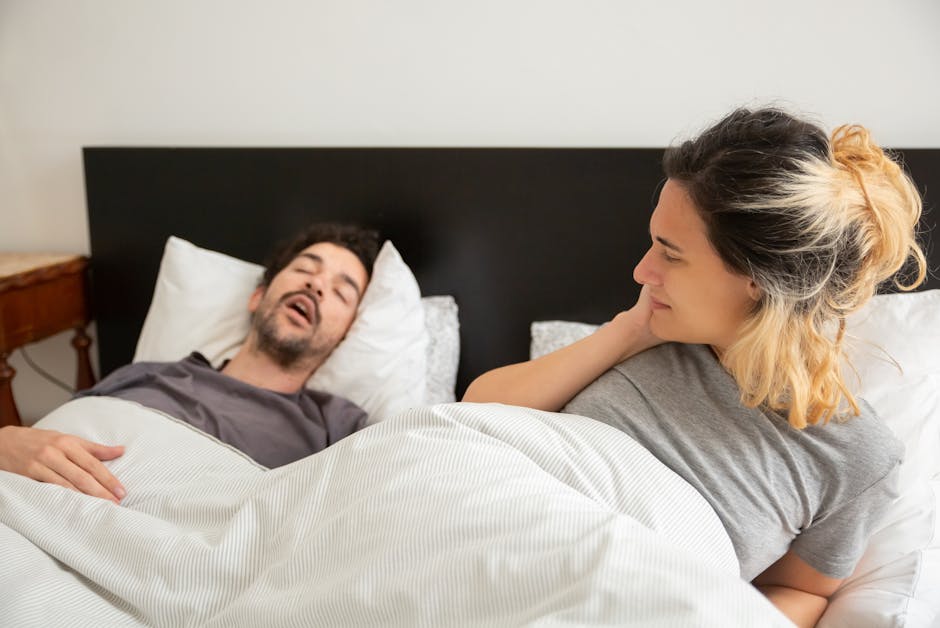
Snoring. That rumbling, sometimes rattling sound that can disrupt a good night's sleep – both for the snorer and anyone within earshot. It's a common problem, affecting millions of people, and can range from a mild annoyance to a sign of a more serious underlying health issue. Fortunately, there are a number of remedies that can help alleviate snoring and promote more restful nights.
One of the most effective ways to reduce snoring is to address any underlying weight issues. Excess weight, particularly around the neck, can put pressure on the airways, contributing to snoring. Even a modest weight loss can make a noticeable difference in snoring intensity. Incorporating regular exercise and a healthy diet can help achieve sustainable weight management.
Another lifestyle change that can help is avoiding alcohol and sedatives before bed. These substances relax the muscles in the throat, making airway obstruction more likely. Nicotine is also a culprit, as it irritates the nasal passages and can lead to inflammation, further exacerbating snoring.
Sleeping position plays a significant role in snoring. Sleeping on your back often allows the tongue and soft palate to fall back into the throat, obstructing airflow. Try sleeping on your side. A simple trick is to sew a tennis ball into the back of your pajamas to discourage back sleeping. Specialized pillows designed to promote side sleeping are also available.
Keeping the nasal passages clear is crucial for unobstructed breathing. Nasal congestion, whether due to allergies or a cold, can significantly worsen snoring. Using a saline nasal spray or rinse before bed can help clear the nasal passages and improve airflow. Nasal strips, which gently widen the nostrils, can also provide relief.
For some, snoring may be caused by structural issues within the nasal passages, such as a deviated septum. In these cases, medical intervention may be necessary. Consulting with an ear, nose, and throat specialist can help determine the underlying cause of the snoring and explore potential treatment options, such as surgery or the use of a continuous positive airway pressure (CPAP) machine.
Oral appliances, custom-fitted by a dentist, can help reposition the jaw and tongue, keeping the airway open during sleep. These devices can be effective for many individuals, but it's essential to work with a qualified dentist to ensure a proper fit and address any potential side effects.
Finally, remember that consistent application of these tips is key. It may take time to find what works best for you. Don't be discouraged if one solution doesn't provide immediate relief. Experiment with different approaches and consult with a healthcare professional if snoring persists or is accompanied by other symptoms, such as excessive daytime sleepiness.
Leave a Reply