
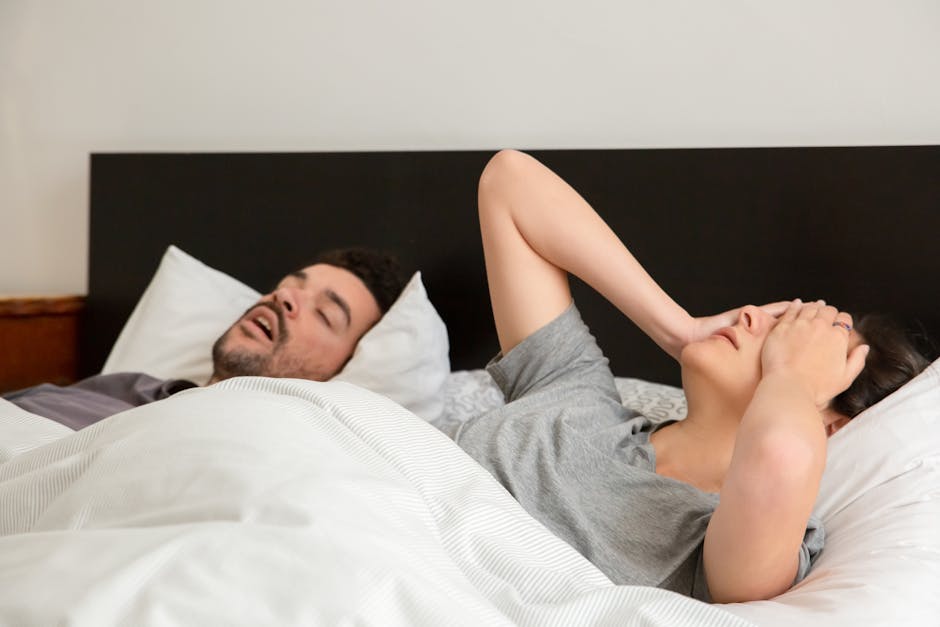
Snoring. That rumbling, rattling sound that can disrupt a good night's sleep, both for the snorer and anyone within earshot. While occasional snoring isn't usually a cause for concern, habitual snoring can be a sign of underlying health issues and can certainly strain relationships. Luckily, there are a number of remedies that can help alleviate snoring and promote better sleep.
One of the most common causes of snoring is nasal congestion. When the nasal passages are blocked, air is forced through a smaller opening, creating the vibrations that cause snoring. Using a saline nasal spray or rinse before bed can help clear the nasal passages and reduce snoring. Similarly, nasal strips, which adhere to the bridge of the nose, can help open up the nostrils and improve airflow.
Another contributing factor to snoring can be sleeping position. Sleeping on your back often allows the tongue and soft tissues in the throat to relax and fall back, obstructing the airway. Try sleeping on your side. If you find it difficult to stay on your side, a body pillow can help maintain this position throughout the night.
Maintaining a healthy weight can also significantly impact snoring. Excess weight, particularly around the neck, can put pressure on the airway, making it more likely to collapse during sleep. Even a modest weight loss can often lead to a reduction in snoring.
Staying hydrated is important for overall health, and it can also help with snoring. When you're dehydrated, the secretions in your nose and throat become thicker and stickier, which can contribute to snoring. Drinking plenty of water throughout the day can help keep these secretions thin and less likely to obstruct airflow.
Certain lifestyle choices can exacerbate snoring. Alcohol and sedatives relax the throat muscles, increasing the likelihood of snoring. Smoking irritates the nasal passages and throat, leading to inflammation and swelling, which can also worsen snoring. Limiting alcohol consumption and avoiding smoking, especially close to bedtime, can be beneficial.
If snoring persists despite trying these remedies, it may be a sign of a more serious condition like sleep apnea. Sleep apnea is a sleep disorder characterized by pauses in breathing during sleep. It's important to consult a doctor if you suspect you may have sleep apnea, as it can have serious health consequences.
Snoring can be a disruptive problem, but it doesn't have to be a permanent one. By implementing some of these simple remedies, you can improve your sleep quality and enjoy more peaceful nights. If you're concerned about your snoring or suspect it may be a sign of a more serious issue, don't hesitate to seek medical advice.
Leave a Reply