
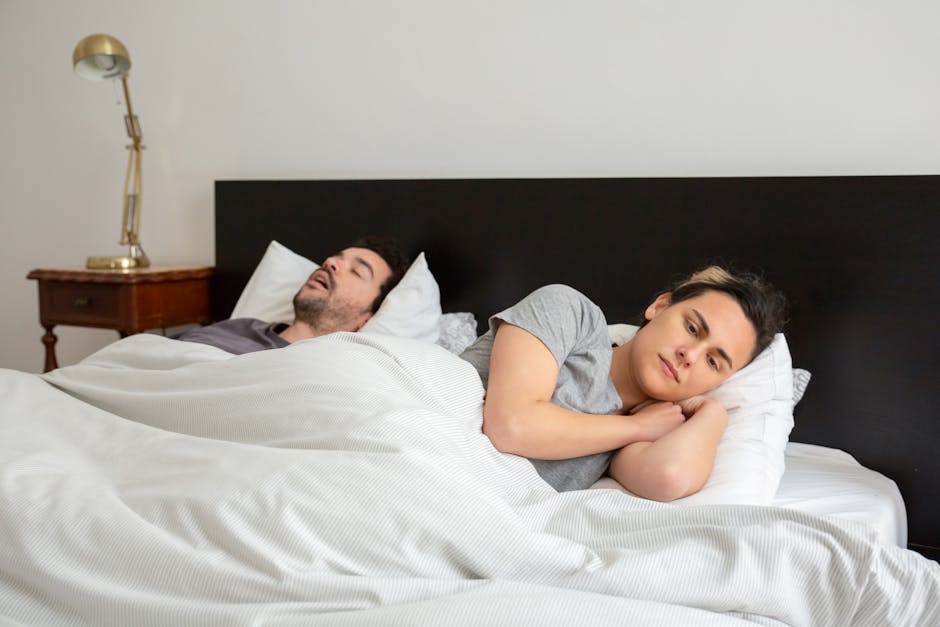
Snoring. That rumbling, sometimes rattling sound that can disrupt your sleep and the sleep of anyone within earshot. It's a common problem, affecting millions of people, and can range from a mild annoyance to a sign of a more serious underlying health issue. Fortunately, there are a variety of remedies that can help quiet the night and promote better sleep for everyone.
One of the most effective ways to reduce snoring is to address any underlying weight issues. Excess weight, particularly around the neck, can put pressure on the airways, contributing to snoring. Even a modest weight loss can make a noticeable difference in snoring intensity. Regular exercise and a healthy diet are key components of a weight management plan.
Another common culprit behind snoring is alcohol consumption. Alcohol relaxes the throat muscles, making them more likely to vibrate and cause snoring. Avoiding alcohol, especially close to bedtime, can significantly reduce or even eliminate snoring. If you do choose to drink, try to limit your intake and avoid consuming alcohol within a few hours of going to sleep.
Sleeping position plays a significant role in snoring as well. Sleeping on your back allows the tongue and soft tissues in the throat to fall back and obstruct the airway. Try sleeping on your side. A simple trick is to sew a tennis ball into the back of your pajamas to discourage rolling onto your back.
Maintaining proper nasal hygiene can also help alleviate snoring. A stuffy nose forces you to breathe through your mouth, increasing the likelihood of snoring. Using a saline nasal spray or rinse can help clear nasal passages and promote easier breathing. Nasal strips can also help open up the airways.
Consider the role of allergens in your bedroom. Dust mites, pet dander, and other allergens can irritate the nasal passages and contribute to snoring. Regularly washing bedding in hot water and using hypoallergenic pillowcases can help reduce exposure to these irritants. Keeping pets out of the bedroom can also make a difference.
If over-the-counter remedies and lifestyle changes aren't providing sufficient relief, it may be time to consult a doctor. Snoring can sometimes be a symptom of a more serious condition, such as sleep apnea. A doctor can evaluate your snoring and recommend appropriate treatment options, which may include oral appliances or continuous positive airway pressure (CPAP) therapy.
By addressing potential causes and trying different remedies, you can significantly reduce or eliminate snoring and enjoy a more peaceful night's sleep. Remember to consult with a healthcare professional if your snoring is severe or accompanied by other symptoms, such as excessive daytime sleepiness.
Leave a Reply