
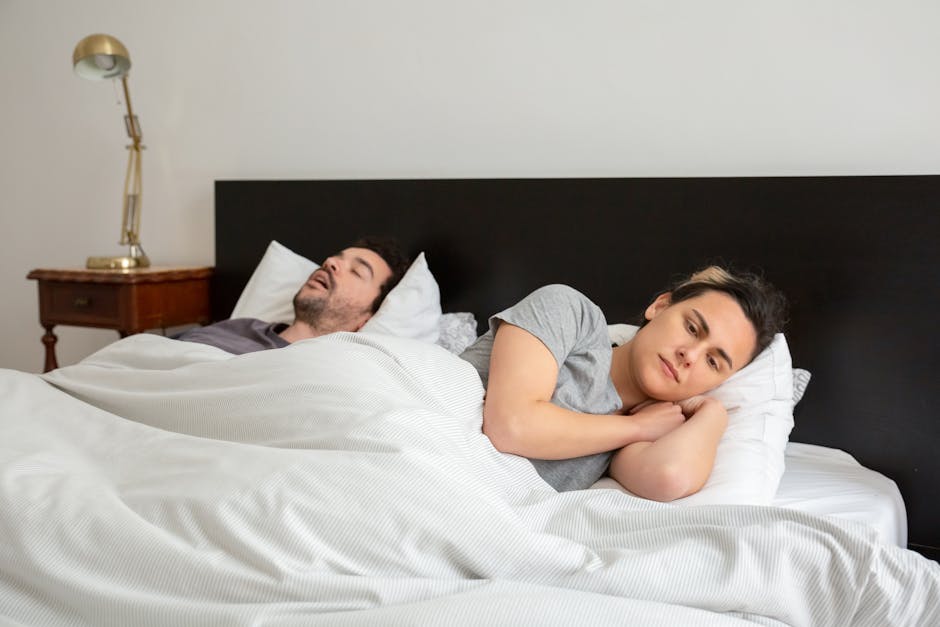
Snoring. That rumbling, sometimes rattling sound that can disrupt the sleep of both the snorer and anyone within earshot. It's a common problem, affecting millions of people, and can range from a mild annoyance to a sign of a more serious underlying health condition. Fortunately, there are a number of remedies that can help alleviate snoring and promote better sleep.
One of the most effective ways to reduce snoring is to maintain a healthy weight. Excess weight, particularly around the neck, can put pressure on the airways, contributing to snoring. Regular exercise and a balanced diet can help shed those extra pounds and potentially silence the night-time noise.
Another culprit behind snoring is alcohol consumption. Alcohol relaxes the throat muscles, making them more likely to vibrate and cause snoring. Avoiding alcohol, especially close to bedtime, can significantly reduce or even eliminate snoring.
Sleeping position plays a significant role in snoring as well. Sleeping on your back often allows the tongue and soft tissues in the throat to collapse backward, obstructing the airway. Try sleeping on your side to keep the airway open and reduce snoring. A body pillow can help maintain this position throughout the night.
Allergies and nasal congestion can also contribute to snoring. When the nasal passages are blocked, it becomes harder to breathe through the nose, leading to mouth breathing and increased likelihood of snoring. Over-the-counter nasal strips or decongestants can help clear the nasal passages and improve airflow.
Staying hydrated is important for overall health, and it can also help reduce snoring. When you're dehydrated, the secretions in your nose and throat become thicker and stickier, which can exacerbate snoring. Drinking plenty of water throughout the day can help keep these secretions thin and less likely to obstruct the airway.
For persistent snoring that doesn't respond to lifestyle changes, there are also several medical devices available. These include oral appliances that reposition the jaw and tongue, and continuous positive airway pressure (CPAP) machines that deliver a constant stream of air to keep the airway open. Consult with a doctor to determine if these options are right for you.
Snoring can significantly impact the quality of sleep for both the snorer and their partner. By implementing these simple lifestyle changes and exploring medical options when necessary, you can take steps towards quieter nights and more restful sleep.
Leave a Reply