
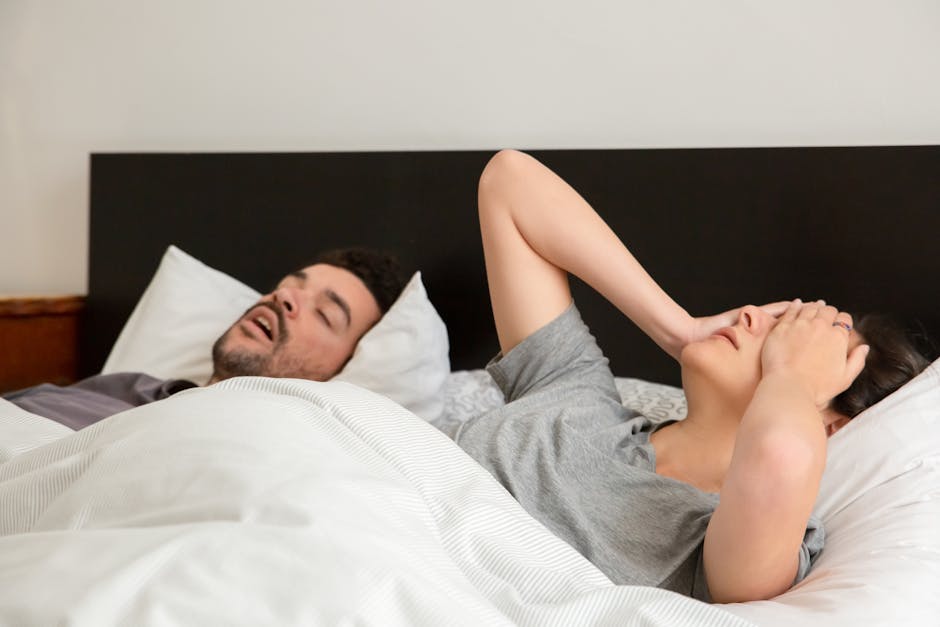
Snoring is a common problem that can disrupt your sleep and the sleep of your partner. It occurs when the airflow through your nose and throat is obstructed, causing the surrounding tissues to vibrate and create a rattling sound. While occasional snoring is usually harmless, chronic snoring can be a sign of a more serious underlying health condition. Fortunately, there are several remedies you can try to alleviate snoring and improve your sleep quality.
One effective remedy is to maintain a healthy weight. Excess weight, especially around the neck, can put pressure on the airways, making it more difficult to breathe and increasing the likelihood of snoring. By losing even a small amount of weight, you can significantly reduce the pressure on your airways and minimize snoring.
Another helpful remedy is to stay hydrated. When you're dehydrated, the secretions in your nose and throat become thicker and stickier, which can contribute to snoring. Drinking plenty of water throughout the day can help keep these secretions thin and flowing smoothly, reducing the likelihood of airway obstruction.
Sleeping on your side can also make a difference. When you sleep on your back, your tongue can fall back into your throat, partially blocking your airway and causing snoring. Sleeping on your side helps keep your tongue in place and promotes better airflow. You can try using a body pillow or placing a tennis ball in the back of your pajamas to discourage back sleeping.
Elevating your head can also be beneficial. Raising your head by a few inches can help open up your airways and reduce snoring. You can achieve this by using an extra pillow or placing blocks under the head of your bed.
Avoiding alcohol and sedatives before bed is another important step. These substances can relax the muscles in your throat, making them more likely to collapse and obstruct airflow. Limiting your intake of alcohol and sedatives, especially close to bedtime, can help reduce snoring.
Nasal strips or dilators can also be effective for some people. These devices help open up the nasal passages, making it easier to breathe through your nose. This can be particularly helpful if your snoring is caused by nasal congestion or a deviated septum.
If you've tried these remedies and your snoring persists, it's important to consult a doctor. Chronic snoring can be a sign of sleep apnea, a serious sleep disorder that can have significant health consequences. A doctor can evaluate your snoring and determine if further evaluation or treatment is necessary.
Leave a Reply