
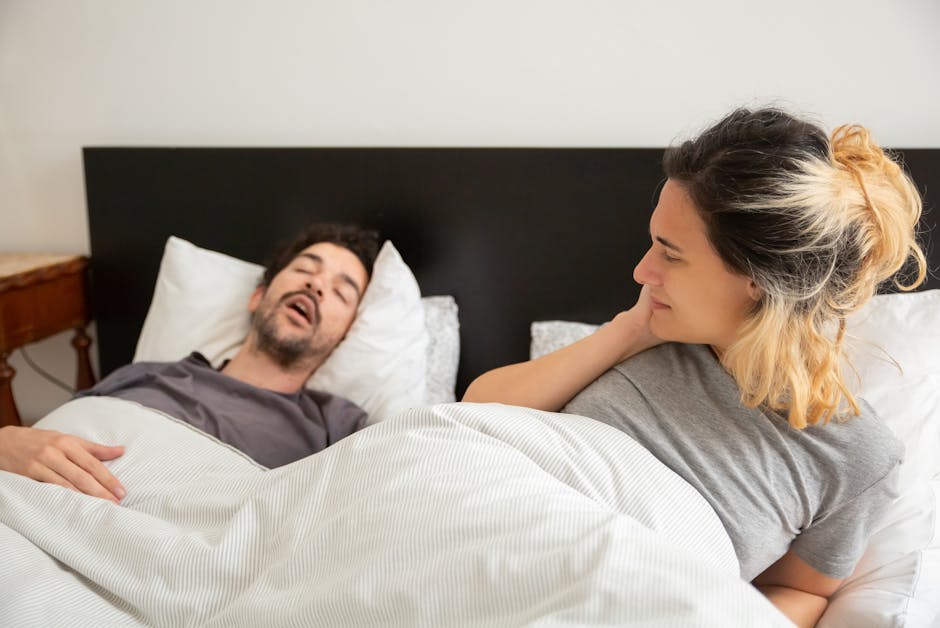
Snoring is a common problem that can disrupt your sleep and the sleep of your partner. It occurs when the airflow through your nose and throat is obstructed, causing the surrounding tissues to vibrate and create the characteristic snoring sound. While occasional snoring may not be a cause for concern, chronic snoring can be a sign of an underlying health issue and can lead to sleep deprivation, daytime fatigue, and relationship problems.
There are several factors that can contribute to snoring, including nasal congestion, obesity, alcohol consumption, and sleeping position. Addressing these underlying causes is often the most effective way to reduce or eliminate snoring. Fortunately, there are a number of remedies you can try to alleviate snoring and improve your sleep quality.
One of the simplest and most effective remedies is changing your sleeping position. Sleeping on your back can cause the tongue to fall back into the throat, obstructing airflow. Try sleeping on your side to keep your airway open. You can use a body pillow or sew a tennis ball into the back of your pajamas to discourage sleeping on your back.
Maintaining a healthy weight can significantly reduce snoring. Excess weight, particularly around the neck, can put pressure on the airway, making it more likely to collapse during sleep. Regular exercise and a balanced diet can help you achieve and maintain a healthy weight, thus reducing snoring.
Avoiding alcohol and sedatives before bed can also help. Alcohol and sedatives relax the throat muscles, increasing the likelihood of snoring. Limit your alcohol intake and avoid taking sedatives close to bedtime to improve your sleep quality.
Nasal congestion can contribute to snoring by narrowing the nasal passages. Using a saline nasal spray or rinse before bed can help clear the nasal passages and improve airflow. Nasal strips can also help to open up the nostrils, making breathing easier.
Staying hydrated is important for overall health and can also help reduce snoring. Drinking plenty of water throughout the day helps to keep the nasal passages moist, reducing congestion and promoting better airflow.
If these lifestyle changes don't provide sufficient relief, there are other options you can explore. Oral appliances, such as mandibular advancement devices, can help to keep the airway open. Continuous positive airway pressure (CPAP) therapy is another option for more severe cases of snoring and sleep apnea. Consult with a doctor or sleep specialist to determine the best course of treatment for your specific situation.
Leave a Reply