
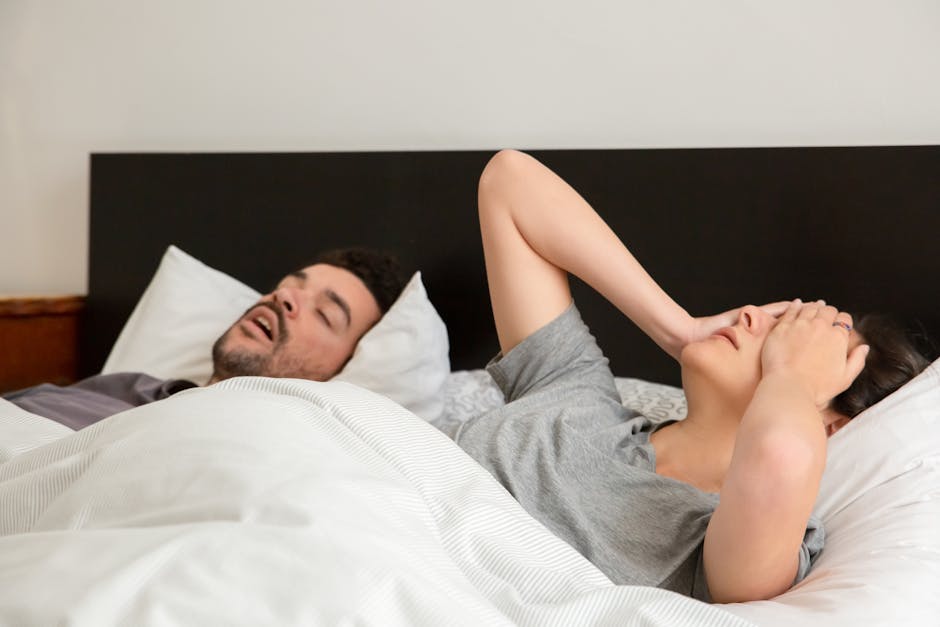
Snoring is a common problem that can disrupt your sleep and the sleep of your partner. It occurs when the flow of air through your mouth and nose is obstructed, causing the tissues in your throat to vibrate. While occasional snoring isn't usually a cause for concern, habitual snoring can be a sign of a more serious underlying health issue, such as sleep apnea. Fortunately, there are a number of remedies you can try to reduce or eliminate snoring.
One of the simplest remedies is to change your sleeping position. Sleeping on your back can cause your tongue and soft palate to collapse to the back of your throat, narrowing your airway. Try sleeping on your side instead. You can use a body pillow or sew a tennis ball into the back of your pajamas to help keep you from rolling onto your back.
Maintaining a healthy weight can also significantly impact snoring. Excess weight, especially around the neck, can put pressure on the airway, making it more likely to collapse during sleep. Regular exercise and a balanced diet can help you achieve and maintain a healthy weight, reducing your risk of snoring.
Staying hydrated is another important factor. Dehydration can thicken nasal secretions, making it harder for air to flow freely. Make sure to drink plenty of water throughout the day, especially before bed.
Avoiding alcohol and sedatives before bed can also help. These substances relax the muscles in your throat, increasing the likelihood of snoring. Try to limit your intake of alcohol and avoid taking sedatives close to bedtime.
Nasal congestion can also contribute to snoring. If allergies or a cold are causing nasal congestion, try using a saline nasal spray or nasal strips to open up your nasal passages. A humidifier can also help to moisten the air and reduce congestion.
Consider using an anti-snoring device. There are a variety of devices available, such as oral appliances that reposition your jaw and tongue, and nasal dilators that widen your nostrils. Talk to your doctor about which device might be right for you.
If you've tried these remedies and are still experiencing persistent snoring, it's important to consult with a doctor. Snoring can be a symptom of underlying health conditions like sleep apnea, which requires medical treatment. A doctor can evaluate your snoring and recommend the appropriate course of action.
Leave a Reply