
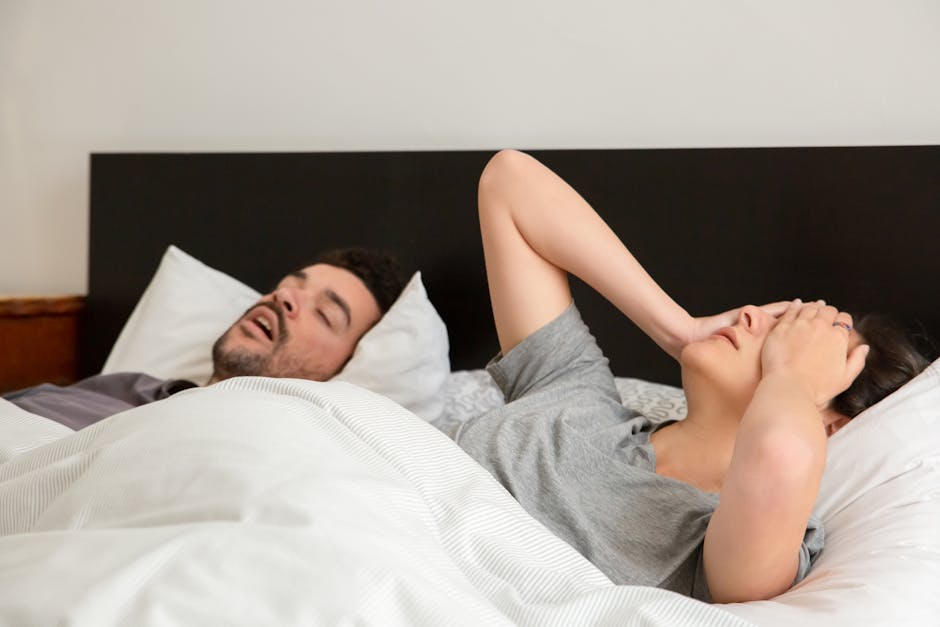
Snoring is a common problem that can disrupt sleep for both the snorer and their partner. It occurs when the airflow through the throat is obstructed, causing the tissues to vibrate and create the characteristic snoring sound. While occasional snoring might not be a cause for concern, habitual snoring can be a sign of an underlying health issue and can lead to daytime fatigue, irritability, and relationship problems.
Fortunately, there are several remedies that can help reduce or eliminate snoring. These remedies range from simple lifestyle changes to medical interventions. If you're looking for ways to quiet your nightly noises and improve your sleep quality, exploring these options can be beneficial. It's important to remember that what works for one person might not work for another, so finding the right solution might require some experimentation.
One of the simplest and most effective remedies is changing your sleep position. Sleeping on your back often exacerbates snoring because gravity pulls the tongue and soft tissues in the throat backward, further obstructing the airway. Try sleeping on your side to keep the airway open and reduce snoring. Using a body pillow or placing a tennis ball in the back of your pajamas can help you stay in the side position.
Maintaining a healthy weight can also significantly impact snoring. Excess weight, especially around the neck, can put pressure on the airway, making it more likely to collapse during sleep. Losing even a small amount of weight can make a difference in reducing snoring. Regular exercise and a balanced diet can help you achieve and maintain a healthy weight.
Staying hydrated is another important factor in reducing snoring. When you're dehydrated, the secretions in your nose and throat become thicker and stickier, which can contribute to snoring. Drinking plenty of water throughout the day, especially before bed, can help keep these secretions thin and less likely to obstruct airflow.
Avoiding alcohol and sedatives before bed can also help. These substances relax the muscles in the throat, making them more likely to collapse and vibrate. Limiting alcohol consumption and avoiding sedatives close to bedtime can improve snoring.
Certain over-the-counter products can also provide relief from snoring. Nasal strips can help open the nasal passages, making it easier to breathe through your nose. Throat sprays and oral appliances can also help keep the airway open during sleep. Consult with a doctor or pharmacist to determine which product might be best for you.
If lifestyle changes and over-the-counter remedies don't provide sufficient relief, medical interventions might be necessary. Continuous positive airway pressure (CPAP) therapy is a common treatment for obstructive sleep apnea, a condition that often causes snoring. Other medical options include surgery to remove excess tissue or correct structural abnormalities in the nose or throat. Consulting with a sleep specialist can help determine the best course of action for your specific situation.
Leave a Reply