
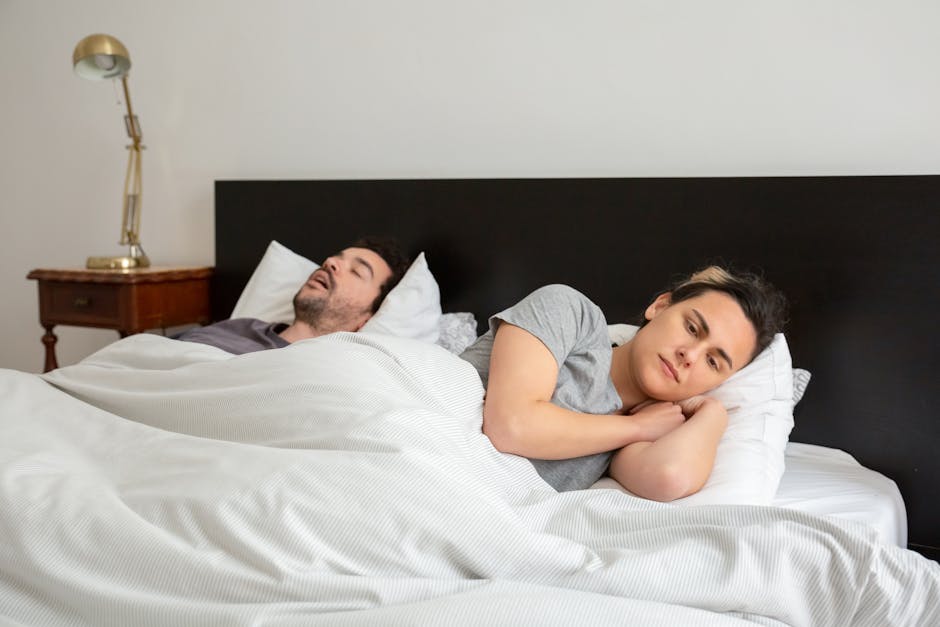
Snoring. That rumbling, sometimes whistling, often disruptive sound that can plague your sleep and test the patience of anyone within earshot. While occasional snoring is common, habitual snoring can be a sign of underlying health issues and significantly impact sleep quality for both the snorer and their partner. Fortunately, there are a number of remedies that can help alleviate snoring and promote more restful nights.
One of the most effective ways to reduce snoring is to address lifestyle factors. Maintaining a healthy weight is crucial, as excess weight can contribute to fatty tissue around the neck, constricting airways. Regular exercise, a balanced diet, and limiting alcohol consumption, especially before bed, can all contribute to healthier sleep patterns and reduced snoring.
Sleeping position plays a significant role in snoring. Sleeping on your back often allows the tongue and soft palate to relax and fall back into the airway, obstructing airflow and causing snoring. Trying to sleep on your side can help keep the airways open and reduce or eliminate snoring. Using pillows strategically or even sewing a tennis ball into the back of your pajamas can discourage back sleeping.
Nasal congestion is a frequent culprit behind snoring. If allergies or a deviated septum are contributing to your snoring, addressing these issues can provide relief. Over-the-counter nasal strips can help open nasal passages, while saline nasal sprays can help clear congestion. For more persistent nasal issues, consulting a doctor is recommended.
Dry air can irritate nasal passages and contribute to snoring. Using a humidifier in your bedroom can add moisture to the air, helping to lubricate the airways and reduce snoring. This is particularly helpful during the winter months when indoor heating can dry out the air.
Oral appliances, designed to keep the airway open, can be effective snoring solutions. Mandibular advancement devices (MADs) bring the lower jaw forward, preventing the tongue from obstructing the airway. Tongue retaining devices (TRDs) hold the tongue in place. These devices are typically custom-fitted by a dentist or sleep specialist.
For more severe cases of snoring, especially those associated with sleep apnea, continuous positive airway pressure (CPAP) therapy may be necessary. A CPAP machine delivers a constant stream of air through a mask, keeping the airway open and preventing snoring and apnea episodes. While effective, CPAP therapy requires a prescription and can take some getting used to.
While these remedies can be effective for many people, it’s important to remember that snoring can sometimes be a symptom of a more serious underlying condition like sleep apnea. If your snoring is persistent, disruptive, or accompanied by other symptoms like excessive daytime sleepiness or gasping for air during sleep, consult a doctor for a proper diagnosis and treatment plan.
Leave a Reply