
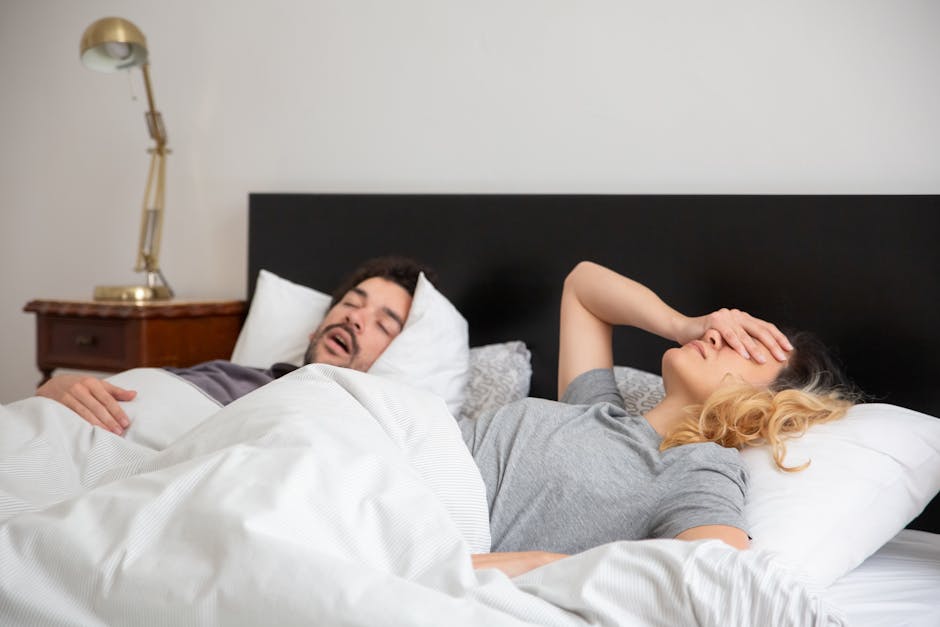
Snoring. That rattling, rumbling sound that can disrupt sleep and strain relationships. Millions of people snore, and while it might seem like a minor annoyance, it can be a sign of underlying health issues and significantly impact sleep quality for both the snorer and their partner. Fortunately, there are a number of remedies available to help alleviate snoring and promote a peaceful night's rest.
One of the most common causes of snoring is nasal congestion. When the nasal passages are blocked, air is forced through a smaller opening, creating the vibrations that cause snoring. Using a saline nasal spray or rinse before bed can help clear the nasal passages and reduce snoring. Similarly, nasal strips can help open up the airways by gently lifting the sides of the nose.
Another contributing factor to snoring can be sleep position. Sleeping on your back often causes the tongue and soft tissues in the throat to relax and collapse into the airway, leading to snoring. Try sleeping on your side. If you find it difficult to stay on your side, a body pillow or even a tennis ball sewn into the back of your pajamas can help prevent you from rolling onto your back.
Maintaining a healthy weight can also significantly impact snoring. Excess weight, especially around the neck, can put pressure on the airway, making it more likely to collapse during sleep. Even a modest weight loss can make a noticeable difference in snoring frequency and intensity.
Alcohol and certain medications, such as sedatives and muscle relaxants, can relax the throat muscles, contributing to snoring. Limiting alcohol consumption, particularly close to bedtime, can help reduce snoring. If you suspect a medication is contributing to your snoring, talk to your doctor about possible alternatives.
Staying hydrated is important for overall health and can also help reduce snoring. Dehydration can thicken nasal secretions, making it more difficult to breathe through the nose and increasing the likelihood of snoring. Drinking plenty of water throughout the day can help keep nasal passages clear.
While over-the-counter remedies can be helpful, some people may require more specialized treatment. Oral appliances, such as mandibular advancement devices, can help keep the airway open by repositioning the jaw. Continuous positive airway pressure (CPAP) therapy is another option for more severe cases of snoring, particularly those associated with sleep apnea. A CPAP machine delivers a constant stream of air to keep the airway open throughout the night.
If snoring persists despite trying these remedies, it's essential to consult with a doctor or sleep specialist. Snoring can be a symptom of underlying health conditions like sleep apnea, which can have serious health consequences if left untreated. A medical professional can help determine the cause of your snoring and recommend the most appropriate treatment plan.
Leave a Reply