
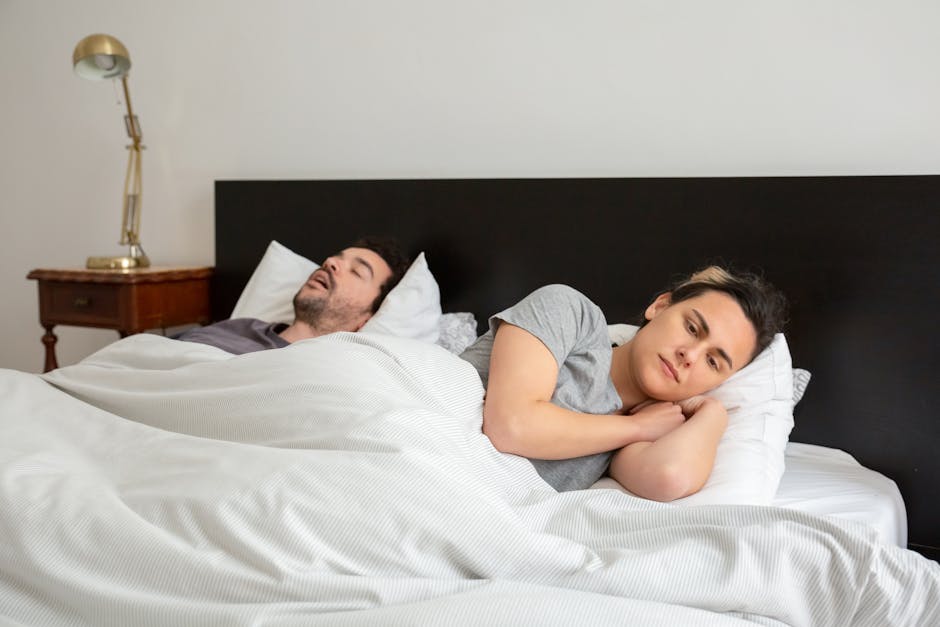
Snoring is a common problem that can disrupt your sleep and the sleep of your partner. It occurs when the airflow through your nose and throat is partially obstructed, causing the surrounding tissues to vibrate and create noise. While occasional snoring may not be a cause for concern, chronic snoring can be a sign of an underlying health issue and can lead to daytime fatigue, irritability, and relationship problems. Fortunately, there are several effective remedies that can help reduce or eliminate snoring.
One of the most effective ways to stop snoring is to lose weight. Excess weight, especially around the neck, can put pressure on the airways, making it more difficult to breathe. Losing even a small amount of weight can make a significant difference in reducing snoring. Regular exercise can also help improve muscle tone and reduce fatty tissue in the throat, further alleviating snoring.
Another effective remedy is to avoid alcohol and sedatives before bed. These substances relax the muscles in the throat, making them more likely to collapse and obstruct airflow. Avoiding these substances for several hours before bedtime can help keep your airways open and reduce snoring.
Sleeping on your side can also help alleviate snoring. When you sleep on your back, gravity can pull the tongue and soft tissues in the throat backward, obstructing the airway. Sleeping on your side can help keep the airway open and reduce snoring. You can try using a body pillow or placing a tennis ball in the back of your pajamas to help you stay on your side.
Maintaining a regular sleep schedule is also important for reducing snoring. When you are sleep-deprived, your muscles become more relaxed, increasing the likelihood of snoring. Getting enough sleep and maintaining a consistent sleep schedule can help keep your airways open and reduce snoring.
Nasal congestion can also contribute to snoring. If you have allergies or a cold, using a nasal decongestant or saline nasal spray can help open up your nasal passages and reduce snoring. Keeping the air in your bedroom humidified can also help moisten your nasal passages and reduce congestion.
Oral appliances, such as mandibular advancement devices, can also be effective in reducing snoring. These devices work by repositioning the jaw and tongue to keep the airway open. They are custom-fitted by a dentist and can be an effective solution for many snorers.
Finally, if your snoring is severe or accompanied by other symptoms such as daytime sleepiness or gasping for air during sleep, it is important to see a doctor. Snoring can be a symptom of sleep apnea, a serious sleep disorder that can have significant health consequences. A doctor can evaluate your snoring and recommend the appropriate treatment.
Leave a Reply