
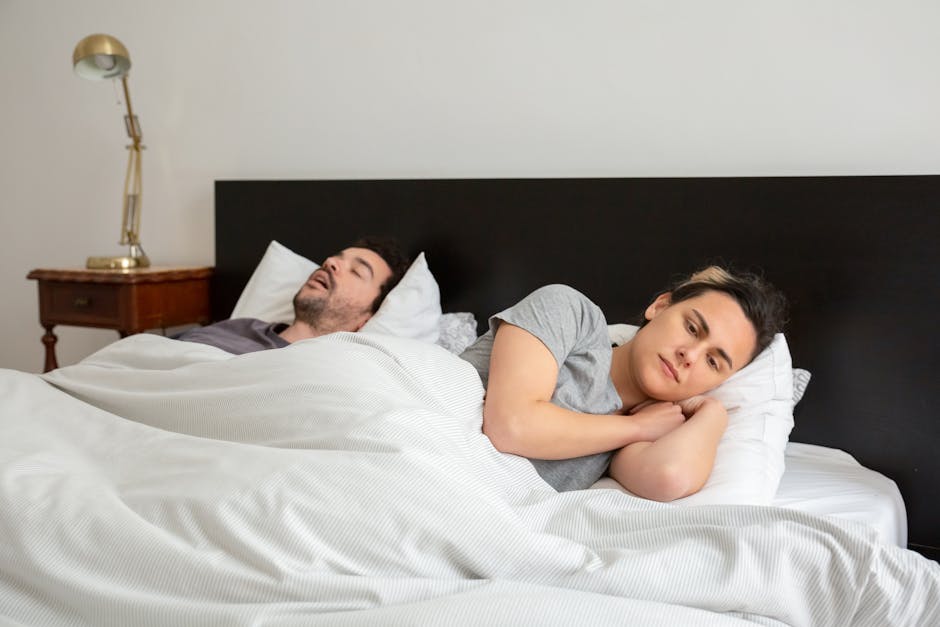
Snoring. That rumbling, sometimes whistling, often disruptive sound that can plague your sleep and your partner's. Millions of people snore, and while it can sometimes be a harmless annoyance, it can also be a sign of a more serious underlying health issue. Luckily, there are a number of remedies available to help quiet those nighttime noises and improve the quality of your sleep.
One of the most effective snoring remedies is lifestyle change. Losing weight, if you are overweight or obese, can significantly reduce snoring. Excess weight around the neck can put pressure on the airways, contributing to snoring. Regular exercise and a healthy diet can help you shed those extra pounds and breathe easier at night.
Another lifestyle adjustment that can make a difference is avoiding alcohol before bed. Alcohol relaxes the throat muscles, making them more likely to collapse and vibrate, leading to snoring. Similarly, smoking irritates the nasal passages and throat, causing inflammation and increasing the likelihood of snoring. Quitting smoking is beneficial for overall health, including better sleep.
Sleeping position plays a role in snoring as well. Sleeping on your back often exacerbates snoring because gravity pulls the tongue and soft tissues in the throat backward, obstructing the airway. Try sleeping on your side to keep the airway open and reduce snoring. Specialized pillows designed to keep you on your side can be helpful.
Over-the-counter nasal strips and dilators can also offer relief for some snorers. These adhesive strips help to open the nasal passages, allowing for better airflow and reducing the vibrations that cause snoring. Nasal irrigation with saline solution can also help clear nasal congestion and improve breathing.
For more persistent snoring, oral appliances are an option. These devices, custom-fitted by a dentist, help to reposition the jaw and tongue, keeping the airway open. While they can be effective, they may take some getting used to.
In some cases, medical intervention may be necessary. Continuous positive airway pressure (CPAP) therapy is a common treatment for obstructive sleep apnea, a condition characterized by pauses in breathing during sleep. A CPAP machine delivers a constant stream of air through a mask, keeping the airway open and preventing snoring and apnea episodes.
If you've tried various remedies and are still struggling with snoring, it's important to consult with a doctor. Snoring can sometimes be a symptom of underlying health conditions, such as sleep apnea or nasal polyps. A doctor can help determine the cause of your snoring and recommend the most appropriate treatment.
Leave a Reply