
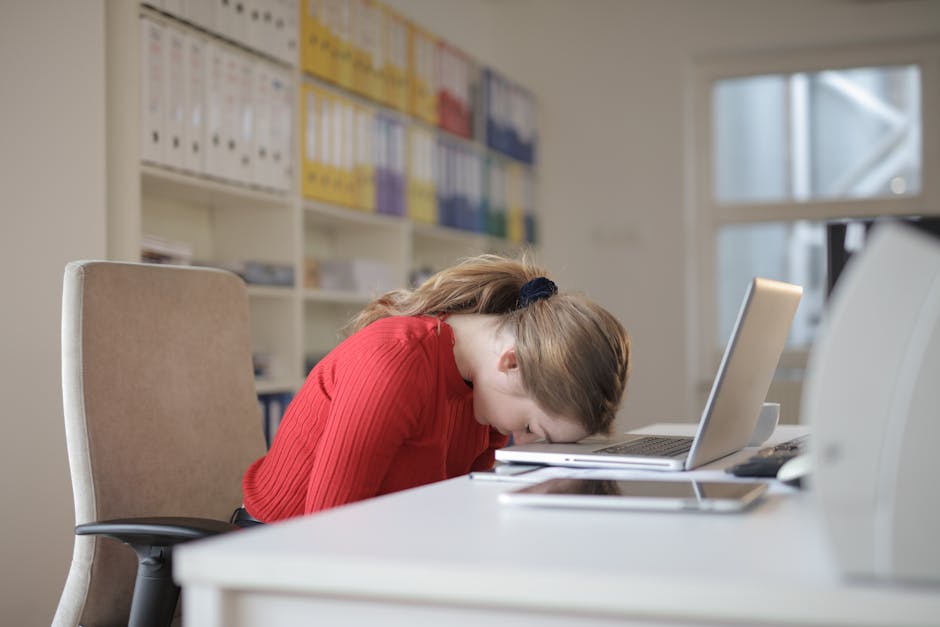
Snoring is a common problem that affects millions of people. It can disrupt sleep, cause daytime fatigue, and even strain relationships. While occasional snoring may not be a cause for concern, chronic snoring can be a sign of a more serious underlying health issue, such as sleep apnea. Fortunately, there are a number of effective snoring remedies available.
One of the most effective snoring remedies is changing your sleep position. Sleeping on your back can cause your tongue and soft palate to collapse into the back of your throat, which narrows your airway and causes snoring. Try sleeping on your side instead. You can use a body pillow or sew a tennis ball into the back of your pajamas to help you stay on your side.
Losing weight can also help reduce snoring. Excess weight, especially around the neck, can put pressure on the airway, leading to snoring. Even a small amount of weight loss can make a significant difference. Combine a healthy diet with regular exercise for the best results.
Staying hydrated is another simple yet effective way to combat snoring. When you're dehydrated, the secretions in your nose and soft palate become thicker and stickier, which can increase the likelihood of snoring. Aim to drink plenty of water throughout the day.
Avoiding alcohol and sedatives before bed can also help. Alcohol and sedatives relax the muscles in your throat, which can make snoring worse. Try to avoid consuming these substances for at least a few hours before you go to sleep.
Maintaining a regular sleep schedule is crucial for overall health and can also impact snoring. A consistent sleep schedule helps regulate your body's natural sleep-wake cycle, promoting better sleep quality and potentially reducing snoring. Aim for seven to eight hours of sleep each night.
Nasal strips or an external nasal dilator can help open up your nasal passages, making it easier to breathe and potentially reducing snoring. These are readily available at most pharmacies and can be a simple solution for some snorers.
Finally, if your snoring is severe or accompanied by other symptoms such as gasping for air during sleep or excessive daytime sleepiness, it's important to consult a doctor. They can evaluate you for underlying conditions like sleep apnea and recommend appropriate treatment options, which may include a continuous positive airway pressure (CPAP) machine or other medical interventions.
Leave a Reply