
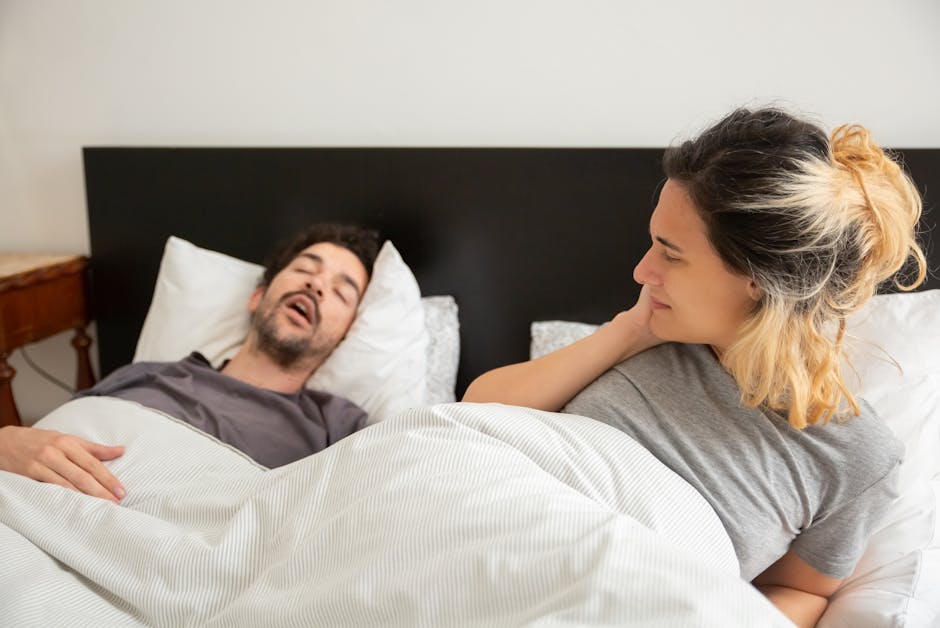
Snoring. That rumbling, sometimes rattling sound that can disrupt a good night's sleep – both for the snorer and anyone within earshot. It's a common problem, affecting millions of people worldwide. While occasional snoring might not be a cause for concern, chronic snoring can indicate underlying health issues and significantly impact sleep quality. Luckily, there are a number of remedies that can help alleviate snoring and promote better rest.
One of the most effective ways to reduce snoring is to address lifestyle factors. Maintaining a healthy weight can significantly impact snoring. Excess weight, especially around the neck, can compress the airways, leading to vibrations that cause snoring. Regular exercise and a balanced diet can help achieve and maintain a healthy weight, minimizing this issue.
Alcohol and sedatives can also exacerbate snoring. These substances relax the throat muscles, making them more prone to collapse and vibrate during sleep. Avoiding alcohol and sedatives, especially close to bedtime, can help reduce snoring. Similarly, smoking irritates the nasal passages and throat, contributing to inflammation and swelling, which can worsen snoring. Quitting smoking can significantly improve snoring and overall health.
Sleeping position plays a crucial role in snoring. Sleeping on your back often allows the tongue and soft tissues in the throat to fall back and obstruct the airway. Sleeping on your side can help keep the airway open and reduce snoring. Try using a body pillow or placing a tennis ball in the back of your pajamas to discourage back sleeping.
Staying hydrated is essential for overall health and can also help reduce snoring. Dehydration can thicken nasal secretions, making it harder to breathe and increasing the likelihood of snoring. Drinking plenty of water throughout the day can help keep nasal passages clear and minimize snoring.
Several over-the-counter remedies can help alleviate snoring. Nasal strips can help open the nasal passages, improving airflow and reducing snoring. Oral appliances, such as mandibular advancement devices, can help keep the airway open by repositioning the jaw. These devices can be effective but may require a consultation with a dentist or doctor.
For persistent and severe snoring, medical intervention might be necessary. Continuous positive airway pressure (CPAP) therapy is a common treatment for obstructive sleep apnea, a condition characterized by pauses in breathing during sleep. CPAP involves wearing a mask that delivers a constant stream of air to keep the airway open. Other medical procedures, such as surgery to remove excess tissue or correct structural abnormalities in the nose or throat, might be considered in certain cases.
By addressing lifestyle factors, trying over-the-counter remedies, and seeking medical advice when necessary, you can significantly reduce or eliminate snoring and enjoy a peaceful night's sleep, improving both your own well-being and that of your partner.
Leave a Reply