
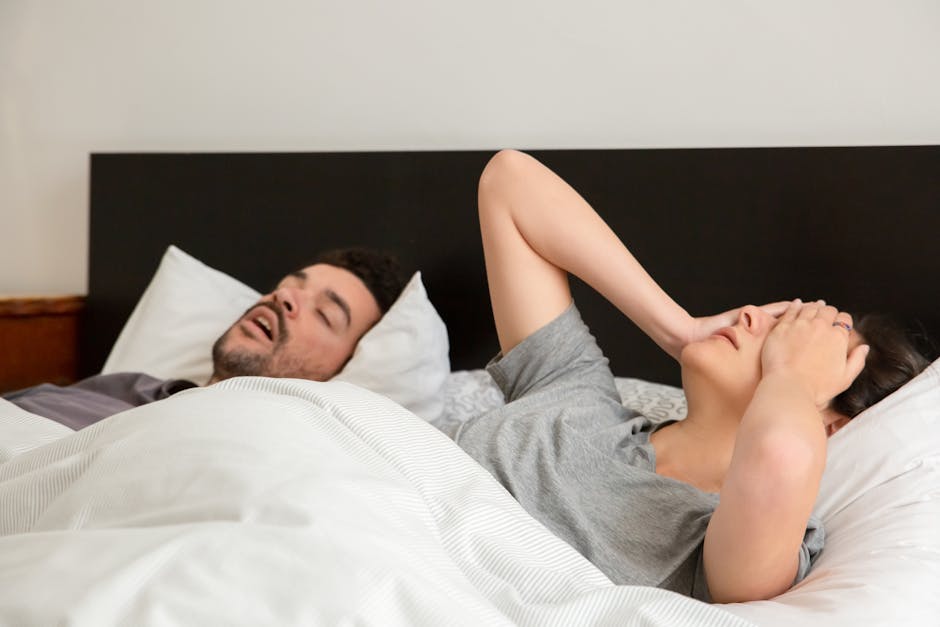
Snoring. That rumbling, sometimes rattling, often room-shaking sound that can disrupt sleep for both the snorer and anyone within earshot. It's a common problem, affecting millions worldwide, and it can range from a minor annoyance to a sign of a more serious underlying health issue. Fortunately, there are a number of effective remedies available to help quiet those nighttime noises and promote better sleep.
One of the most common causes of snoring is nasal congestion. When the nasal passages are blocked, airflow is restricted, leading to vibrations in the soft tissues of the throat. Using a saline nasal spray or rinse before bed can help clear the nasal passages and reduce snoring. Similarly, nasal strips, which adhere to the bridge of the nose, can help widen the nostrils and improve airflow.
Another contributing factor to snoring is sleeping position. Sleeping on your back often allows the tongue and soft palate to fall back into the throat, obstructing the airway. Try sleeping on your side. A simple trick is to sew a tennis ball into the back of your pajamas to discourage back sleeping. Specialized pillows designed to promote side sleeping are also available.
Excess weight can also contribute to snoring. Fatty tissue around the neck can put pressure on the airway, making it narrower. Even a modest weight loss can significantly reduce snoring. Focus on a healthy diet and regular exercise to achieve and maintain a healthy weight.
Alcohol and certain medications, such as muscle relaxants and sedatives, can relax the throat muscles, increasing the likelihood of snoring. Avoid consuming alcohol or taking these medications close to bedtime. If you suspect a medication is contributing to your snoring, consult your doctor about possible alternatives.
Staying hydrated is important for overall health and can also help reduce snoring. When you're dehydrated, secretions in your nose and throat can become thicker and stickier, contributing to airway obstruction. Drink plenty of water throughout the day.
For some individuals, an oral appliance, fitted by a dentist, can be an effective solution. These devices help keep the airway open by repositioning the jaw or tongue. While they can be expensive, they can provide significant relief for many snorers.
If snoring persists despite trying these remedies, it's important to consult a doctor. Snoring can sometimes be a symptom of sleep apnea, a serious sleep disorder characterized by pauses in breathing during sleep. A doctor can diagnose sleep apnea and recommend appropriate treatment options, such as continuous positive airway pressure (CPAP) therapy.
Leave a Reply