
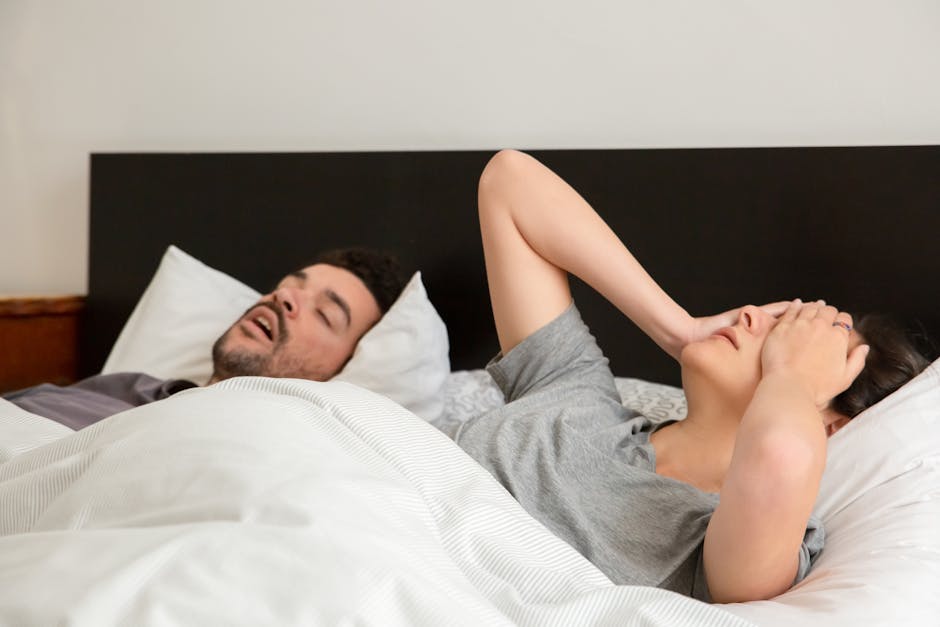
Snoring. That rumbling, sometimes rattling, often room-shaking sound that can disrupt sleep for both the snorer and anyone within earshot. It’s a common problem, affecting millions, and can range from a minor annoyance to a sign of a more serious underlying health condition. Fortunately, there are a number of remedies that can help reduce or even eliminate snoring, allowing for a more peaceful night's rest.
One of the most effective snoring remedies is changing your sleep position. Sleeping on your back often exacerbates snoring as gravity pulls the tongue and soft tissues in the throat backward, obstructing the airway. Try sleeping on your side, which can help keep the airway open and reduce snoring. A body pillow can be helpful in maintaining this position throughout the night.
Maintaining a healthy weight can also significantly impact snoring. Excess weight, especially around the neck, can put pressure on the airway, making it more likely to collapse during sleep. Even a modest weight loss can make a difference in reducing snoring frequency and intensity.
Staying hydrated is another simple yet effective strategy. Dehydration can thicken nasal secretions, making it harder to breathe and increasing the likelihood of snoring. Drinking plenty of water throughout the day, especially in the hours leading up to bedtime, can help keep nasal passages clear.
Limiting alcohol consumption before bed is crucial. Alcohol relaxes the throat muscles, which can contribute to snoring. Avoiding alcohol for several hours before sleep can help maintain muscle tone in the airway and reduce snoring.
Regular exercise can also help reduce snoring. While the exact mechanism isn't fully understood, it's believed that regular physical activity improves overall muscle tone, including the muscles in the throat, which can help keep the airway open.
Certain lifestyle changes can also contribute to a quieter night. Creating a regular sleep schedule, establishing a relaxing bedtime routine, and ensuring a comfortable sleep environment can all improve sleep quality and reduce snoring. This includes minimizing noise and light pollution in the bedroom.
If snoring persists despite trying these remedies, it's important to consult a doctor. Snoring can sometimes be a symptom of a more serious condition like sleep apnea, which requires medical attention. A doctor can evaluate your snoring and recommend further treatment if necessary.
Leave a Reply