
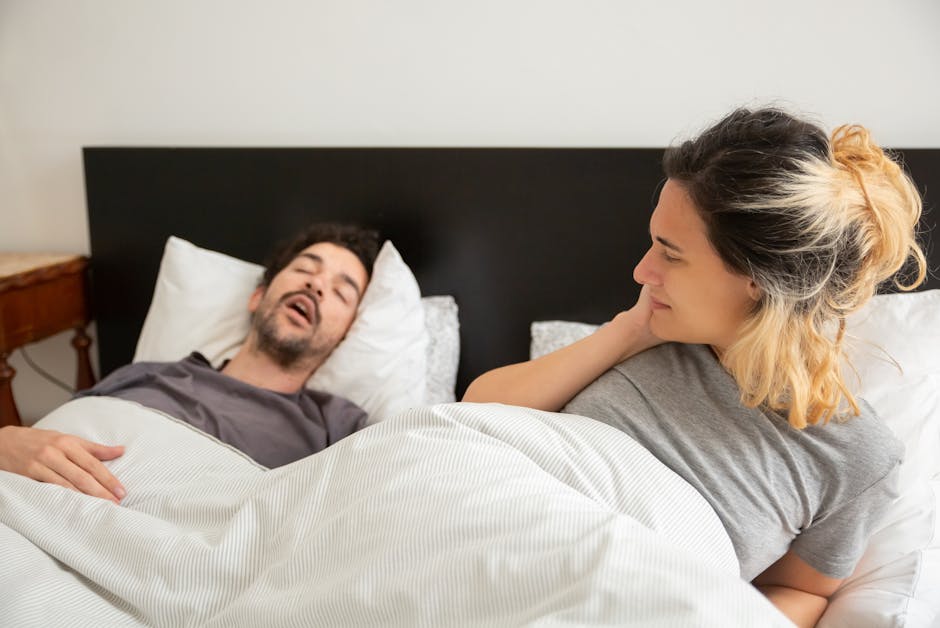
Snoring. That rumbling, sometimes rattling sound that can disrupt sleep for both the snorer and their partner. Millions of people snore, and while it can be a harmless annoyance, it can also be a sign of underlying health issues and a major contributor to sleep deprivation. Fortunately, there are a variety of remedies available to help quiet the night and promote better sleep.
One of the most effective remedies for snoring is lifestyle modification. Maintaining a healthy weight can significantly reduce snoring, as excess weight can put pressure on the airways. Regular exercise can also improve muscle tone and help keep the airways open. Avoiding alcohol and sedatives before bed is crucial, as these substances relax the throat muscles, contributing to snoring.
If lifestyle changes aren't enough, positional therapy can be helpful. Sleeping on your side, rather than your back, can prevent the tongue from falling back into the throat and obstructing airflow. Specialized pillows designed to keep you on your side or elevate your head can be beneficial. Even something as simple as sewing a tennis ball into the back of your pajamas can discourage back sleeping.
Oral appliances are another option for snorers. These devices, custom-fitted by a dentist, help to reposition the jaw and tongue, keeping the airways open. While they can be effective, they may take some getting used to and can be expensive.
For those with nasal congestion, addressing the underlying cause can alleviate snoring. Allergies, sinus infections, and structural abnormalities like a deviated septum can narrow the nasal passages. Nasal strips, saline rinses, and decongestants can provide temporary relief, while more permanent solutions may involve surgery or allergy treatments.
Continuous positive airway pressure (CPAP) therapy is considered the gold standard for treating obstructive sleep apnea, a serious condition often associated with snoring. A CPAP machine delivers a constant stream of air through a mask, keeping the airways open during sleep. While highly effective, CPAP can be cumbersome and requires commitment to regular use.
Surgical interventions are generally reserved for cases where other remedies have failed. Procedures like uvulopalatopharyngoplasty (UPPP) remove excess tissue in the throat, while other surgeries may address structural issues in the nose or jaw. These procedures carry risks and require careful consideration.
Ultimately, the best snoring remedy depends on the individual and the underlying cause of their snoring. Consulting with a doctor or sleep specialist is essential to determine the most appropriate course of action. They can evaluate your specific situation, identify any underlying health issues, and recommend the most effective strategies for a quieter, more restful night's sleep.
Leave a Reply