
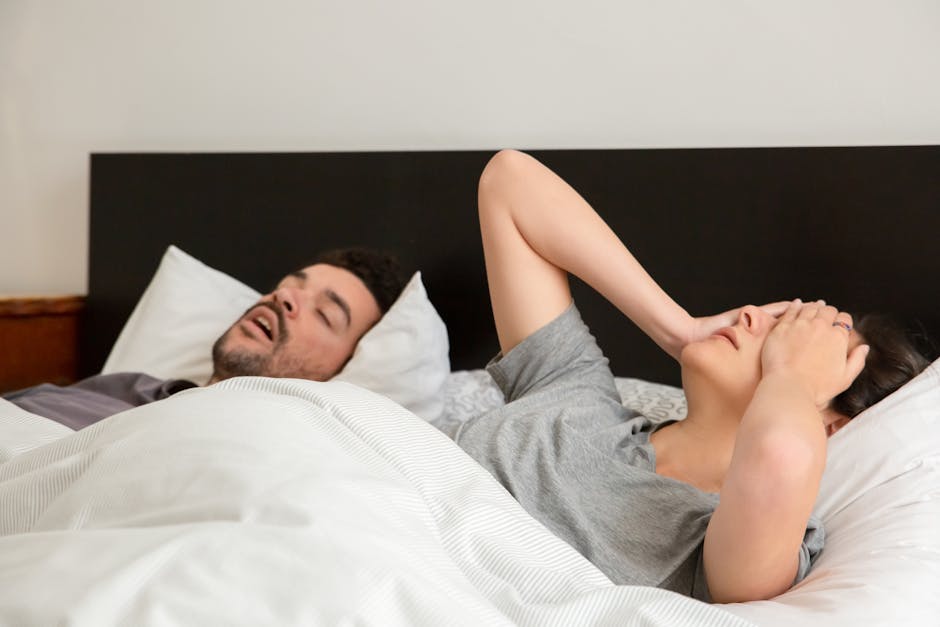
Snoring. That rumbling, rattling sound that can disrupt your sleep and your partner's. It's a common problem, affecting millions of people worldwide. While occasional snoring may not be cause for concern, chronic snoring can be a sign of a more serious underlying health issue and can significantly impact the quality of your sleep and your overall well-being. Fortunately, there are numerous remedies available that can help silence the night and promote restful sleep.
One of the most effective ways to reduce snoring is to address lifestyle factors. Maintaining a healthy weight can significantly decrease snoring. Excess weight, particularly around the neck, can put pressure on the airways, leading to snoring. Regular exercise and a balanced diet can help you achieve and maintain a healthy weight. Avoiding alcohol and sedatives before bed is also crucial. These substances relax the throat muscles, making snoring more likely.
Another common culprit behind snoring is allergies. Allergic reactions can cause inflammation in the nasal passages, obstructing airflow and leading to snoring. Identifying and managing your allergies can significantly reduce snoring. This might involve using over-the-counter allergy medications, nasal sprays, or air purifiers. Keeping your bedroom clean and dust-free can also help minimize allergens.
Sleeping position plays a significant role in snoring. Sleeping on your back often exacerbates snoring as gravity pulls the tongue and soft tissues in the throat backward, obstructing the airway. Try sleeping on your side. You can use a body pillow or sew a tennis ball into the back of your pajamas to discourage back sleeping. Elevating your head with an extra pillow can also help open up the airways and reduce snoring.
For some individuals, nasal congestion can be a major contributor to snoring. Using a saline nasal spray or rinse before bed can help clear nasal passages and improve airflow. Nasal strips, which adhere to the bridge of the nose, can also help widen the nasal passages and reduce snoring.
If lifestyle changes and over-the-counter remedies aren't providing sufficient relief, it may be time to consider medical interventions. Oral appliances, custom-fitted by a dentist, can help reposition the jaw and tongue, keeping the airway open. Continuous positive airway pressure (CPAP) therapy is another option for more severe cases of snoring, particularly those associated with sleep apnea. CPAP involves wearing a mask that delivers a constant stream of air to keep the airways open.
In some cases, surgery may be necessary to address anatomical issues that contribute to snoring. Procedures such as uvulopalatopharyngoplasty (UPPP) or laser-assisted uvulopalatoplasty (LAUP) remove excess tissue in the throat, widening the airway. Septoplasty can correct a deviated septum, improving airflow through the nose.
Snoring can be a frustrating problem, but it's often treatable. By exploring these remedies and consulting with a healthcare professional, you can find the solution that works best for you and reclaim a peaceful night's sleep for yourself and your partner.
Leave a Reply