
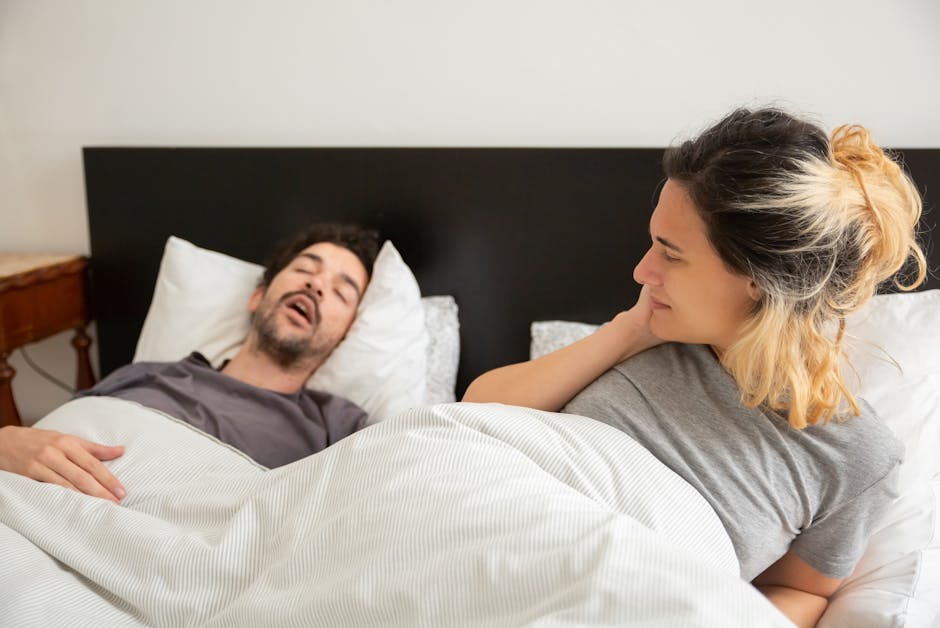
Snoring. That rumbling, sometimes rattling sound that can disrupt sleep for both the snorer and anyone within earshot. It's a common problem, affecting millions of people worldwide. But it’s more than just a nighttime nuisance. Snoring can be a sign of underlying health issues and can significantly impact sleep quality, leading to daytime fatigue, irritability, and even relationship problems. Luckily, there are several effective remedies available to help silence the night and promote restful sleep.
One of the most effective ways to reduce snoring is to address any underlying weight issues. Excess weight, particularly around the neck, can put pressure on the airways, contributing to snoring. Even a modest weight loss can make a noticeable difference. Regular exercise and a balanced diet are key to achieving and maintaining a healthy weight.
Another common culprit behind snoring is alcohol consumption. Alcohol relaxes the throat muscles, making them more likely to collapse and vibrate during sleep. Avoiding alcohol, especially close to bedtime, can significantly reduce or even eliminate snoring.
Sleeping position plays a vital role in snoring. Sleeping on your back often allows the tongue and soft palate to fall back into the throat, obstructing airflow. Try sleeping on your side. A simple trick is to sew a tennis ball into the back of your pajamas to discourage back sleeping.
Nasal congestion can also contribute to snoring. If allergies or a cold are to blame, using a nasal decongestant or saline nasal spray can help open up the nasal passages and improve airflow. For chronic nasal congestion, consider seeing a doctor to rule out any underlying structural issues.
Staying hydrated is important for overall health, and it can also help reduce snoring. Dehydration can thicken nasal secretions, making it harder to breathe and increasing the likelihood of snoring. Drinking plenty of water throughout the day can help keep your nasal passages clear.
Oral appliances, custom-fitted by a dentist, can help keep the airway open by repositioning the jaw or tongue. These devices can be effective for some individuals, but they may take some getting used to.
Finally, if lifestyle changes and other remedies don't provide relief, it's important to consult a doctor. Snoring can sometimes be a symptom of a more serious condition, such as sleep apnea. A doctor can evaluate your snoring and recommend appropriate treatment options, which may include continuous positive airway pressure (CPAP) therapy or other medical interventions.
Leave a Reply