
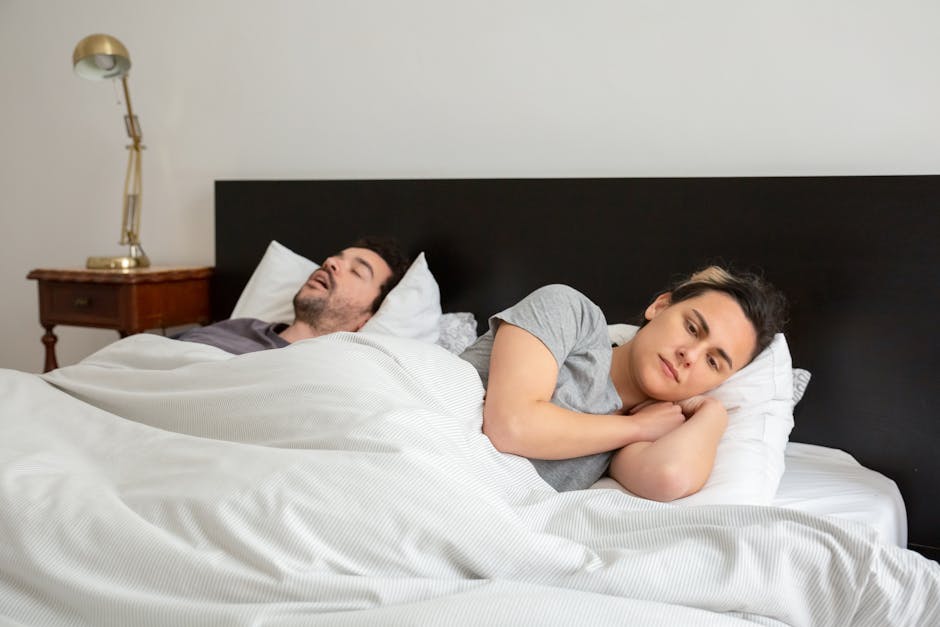
Snoring. That rumbling, sometimes rattling, often disruptive sound that can keep you and your partner awake at night. While occasional snoring might not be a cause for concern, chronic snoring can signal underlying health issues and significantly impact sleep quality. Fortunately, there are various remedies available to help silence the night and promote restful slumber.
Lifestyle changes often play a crucial role in reducing snoring. Maintaining a healthy weight can significantly impact snoring frequency and intensity. Excess weight, especially around the neck, can compress the airways, leading to vibrations that cause snoring. Regular exercise and a balanced diet can help achieve and maintain a healthy weight, contributing to quieter nights.
Another lifestyle factor to consider is alcohol consumption. Alcohol relaxes the throat muscles, making them more likely to collapse and obstruct the airway, exacerbating snoring. Limiting alcohol intake, especially close to bedtime, can lessen the likelihood and severity of snoring.
Sleeping position also plays a significant role. Sleeping on your back often increases the likelihood of snoring as gravity pulls the tongue and soft tissues towards the back of the throat, narrowing the airway. Try sleeping on your side to keep the airway open and reduce snoring. Specialized pillows designed to encourage side sleeping can be helpful.
Nasal congestion can contribute to snoring by restricting airflow. Addressing allergies or sinus issues can often improve snoring. Over-the-counter nasal strips or saline nasal sprays can help open the nasal passages and facilitate easier breathing, reducing snoring.
For more persistent snoring, oral appliances can be an effective solution. These devices, custom-fitted by a dentist, help reposition the jaw and tongue, keeping the airway open during sleep. While requiring an initial investment, oral appliances can provide long-term relief for many snorers.
In some cases, medical intervention might be necessary. Continuous positive airway pressure (CPAP) therapy is a common treatment for obstructive sleep apnea, a condition often associated with heavy snoring. A CPAP machine delivers a constant stream of air through a mask, keeping the airway open and preventing snoring and apnea episodes.
If you're struggling with snoring, don't suffer in silence. Exploring these remedies and consulting with a healthcare professional can help you identify the underlying cause of your snoring and find the most effective solution for a peaceful night's sleep for both you and your partner.
Leave a Reply