
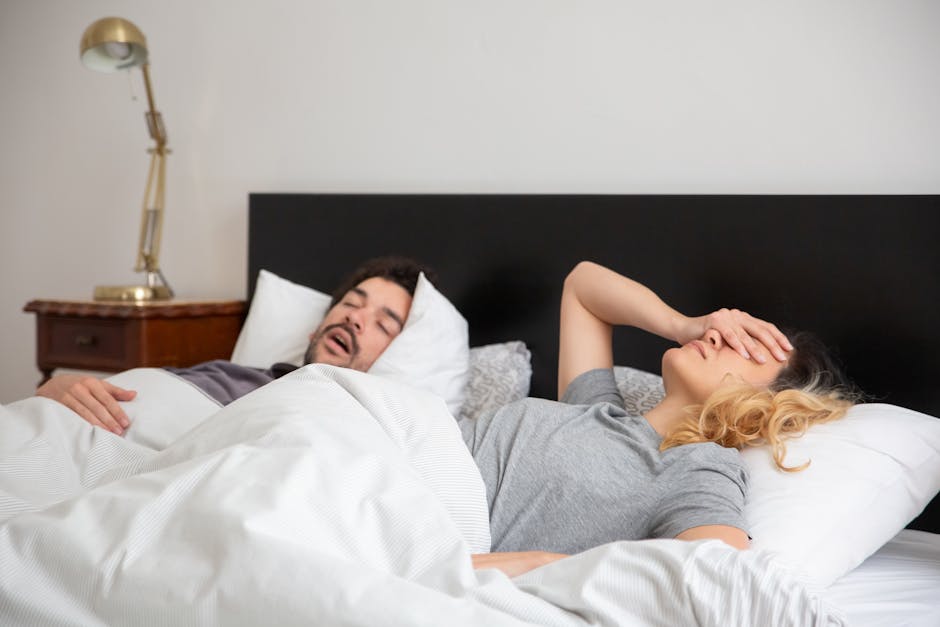
Snoring. That nocturnal symphony of snorts, whistles, and gasps that can disrupt a peaceful night's sleep – both for the snorer and anyone within earshot. While it might seem like a minor annoyance, snoring can be a sign of underlying health issues and can put a strain on relationships. Luckily, there are a number of remedies that can help silence the nightly sawmill.
One of the most common causes of snoring is nasal congestion. When your nasal passages are blocked, air is forced through a smaller opening, creating the vibrations that cause snoring. Simple solutions like saline nasal sprays or nasal strips can help open up your airways and reduce snoring. A hot shower before bed can also help clear nasal passages and promote better breathing.
Another culprit behind snoring is sleeping position. Sleeping on your back often allows the tongue and soft tissues in the throat to relax and fall back, obstructing the airway. Try sleeping on your side. A body pillow can help maintain this position throughout the night. If side sleeping isn't comfortable, elevating your head with an extra pillow can also help keep your airways open.
Excess weight can contribute to snoring. Fatty tissue around the neck can put pressure on the airway, making it narrower. Losing even a small amount of weight can make a significant difference in reducing snoring. Regular exercise and a healthy diet can not only help with weight loss but also improve overall sleep quality.
Alcohol and sedatives relax the muscles in the throat, increasing the likelihood of snoring. Avoid consuming alcohol or taking sedatives close to bedtime. If you do enjoy an evening drink, make sure to finish it several hours before hitting the hay.
Dehydration can thicken nasal secretions, making it harder to breathe and increasing the chances of snoring. Make sure to drink plenty of water throughout the day, especially in the hours leading up to bedtime. A humidifier in your bedroom can also help keep the air moist and prevent nasal passages from drying out.
If lifestyle changes don't provide enough relief, there are other options to explore. Oral appliances, such as mandibular advancement devices, can help keep the airway open by repositioning the jaw. Continuous positive airway pressure (CPAP) machines deliver a constant stream of air through a mask, keeping the airway open and preventing snoring. These options are best discussed with a doctor or sleep specialist.
Snoring can be a disruptive problem, but it doesn't have to be a permanent one. By addressing the underlying causes and trying some of these remedies, you can reclaim a peaceful night's sleep for yourself and your partner. And who knows, maybe you'll even start dreaming of silent nights instead of lumberjacks.
Leave a Reply