
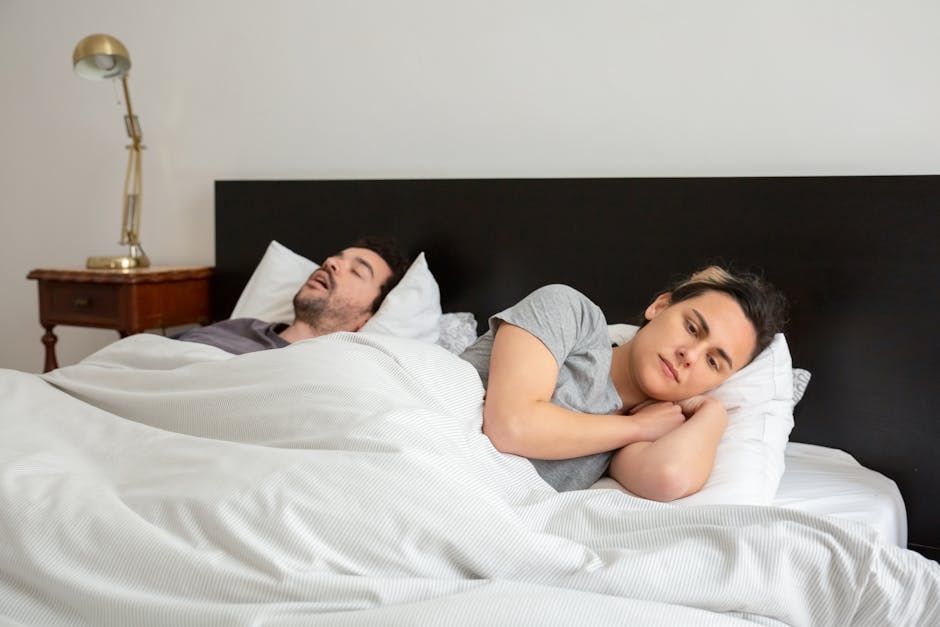
Snoring. That rumbling, rattling, sometimes snorting sound that can disrupt a peaceful night's sleep – both for the snorer and anyone within earshot. It's a common problem, affecting millions, and can range from a mild purr to a window-rattling roar. But before you resign yourself to a lifetime of separate bedrooms or earplugs, there are a number of remedies you can explore to quiet the nocturnal symphony.
One of the most common culprits behind snoring is nasal congestion. When your nasal passages are blocked, airflow is restricted, leading to vibrations in the soft tissues of the throat, resulting in that familiar snoring sound. Simple solutions like nasal strips or saline nasal sprays can help open up your airways and reduce snoring. A humidifier can also add moisture to the air, easing congestion and promoting clearer breathing.
Lifestyle changes can also play a significant role in reducing snoring. Excess weight, particularly around the neck, can put pressure on the airways. Losing even a small amount of weight can make a noticeable difference. Alcohol and sedatives relax the throat muscles, increasing the likelihood of snoring. Avoiding these substances, especially before bed, can help. Smoking irritates the nasal passages and throat, contributing to inflammation and swelling, which can worsen snoring. Quitting smoking is beneficial for overall health and can positively impact snoring.
Sleeping position can also influence snoring. Sleeping on your back often allows the tongue and soft palate to fall back into the throat, obstructing airflow. Try sleeping on your side. A simple trick is to sew a tennis ball into the back of your pajamas to discourage back sleeping. Specialized pillows designed to promote side sleeping are also available.
For more persistent snoring, oral appliances can be an effective solution. These devices, custom-fitted by a dentist, help reposition the jaw and tongue, keeping the airways open. While they can take some getting used to, many people find them highly effective in reducing or eliminating snoring.
If lifestyle changes and over-the-counter remedies aren't providing relief, it's a good idea to consult a doctor. Snoring can sometimes be a symptom of underlying medical conditions like sleep apnea, a serious sleep disorder where breathing repeatedly stops and starts. A doctor can diagnose and recommend appropriate treatment for sleep apnea, which may include a continuous positive airway pressure (CPAP) machine.
Surgery is typically a last resort for snoring but may be an option in certain cases. Surgical procedures can address structural issues in the nose, throat, or palate that contribute to snoring. These procedures can range from removing excess tissue in the throat to correcting a deviated septum. A doctor can help determine if surgery is the right option for you.
Ultimately, finding the right snoring remedy requires a bit of detective work. By identifying the underlying causes and exploring different solutions, you can reclaim a peaceful night's sleep for yourself and your loved ones. And who knows, you might even rediscover the joy of waking up refreshed and ready to face the day.
Leave a Reply