
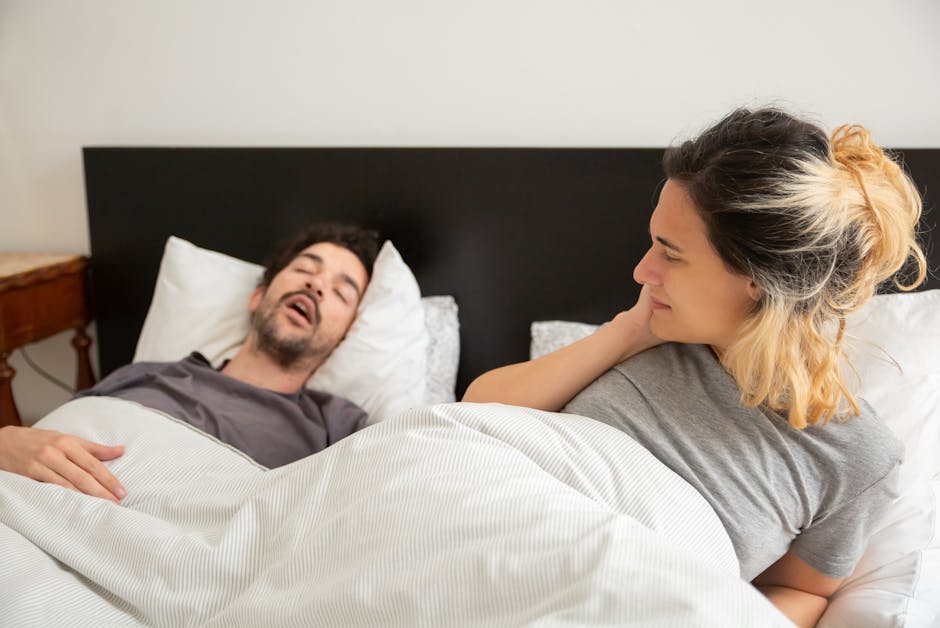
Snoring is a common problem that can disrupt sleep for both the snorer and their partner. It occurs when the airflow through the throat is obstructed, causing the surrounding tissues to vibrate and create the characteristic snoring sound. While occasional snoring may not be cause for concern, chronic snoring can be a sign of a more serious underlying health issue, such as sleep apnea. Fortunately, there are a number of remedies that can help reduce or eliminate snoring.
One of the simplest and most effective remedies is changing your sleep position. Sleeping on your back can cause the tongue and soft palate to collapse into the airway, exacerbating snoring. Try sleeping on your side, which can help keep the airway open. Using a body pillow or placing a tennis ball in the back of your pajamas can help train you to stay on your side.
Maintaining a healthy weight can also significantly impact snoring. Excess weight, particularly around the neck, can put pressure on the airway, making it more likely to collapse during sleep. Even a modest weight loss can improve airflow and reduce snoring. Incorporate regular exercise and a balanced diet into your routine to achieve and maintain a healthy weight.
Staying hydrated is another important factor in reducing snoring. When you're dehydrated, the secretions in your nose and soft palate become thicker and stickier, which can contribute to snoring. Drinking plenty of water throughout the day, especially in the hours leading up to bedtime, can help keep these tissues moist and reduce the likelihood of snoring.
Avoiding alcohol and sedatives before bed can also make a difference. These substances relax the muscles in the throat, increasing the chances of airway obstruction and snoring. Nicotine is another culprit, as it irritates the nasal passages and can lead to inflammation and congestion, further contributing to snoring.
Nasal congestion can be a major contributor to snoring, so addressing any allergies or sinus issues is crucial. Using a saline nasal spray or rinse can help clear the nasal passages and improve airflow. Over-the-counter decongestants can also provide temporary relief, but they shouldn't be used long-term.
If lifestyle changes don't provide sufficient relief, there are other options to explore. Oral appliances, such as mandibular advancement devices, can help keep the airway open by repositioning the jaw. Continuous positive airway pressure (CPAP) therapy is another effective treatment for snoring and sleep apnea, delivering a constant stream of air to keep the airway open.
Finally, if snoring persists despite trying these remedies, it's important to consult a doctor. They can evaluate your specific situation and determine if there's an underlying medical condition contributing to your snoring. They can also recommend the most appropriate treatment options based on your individual needs.
Leave a Reply