
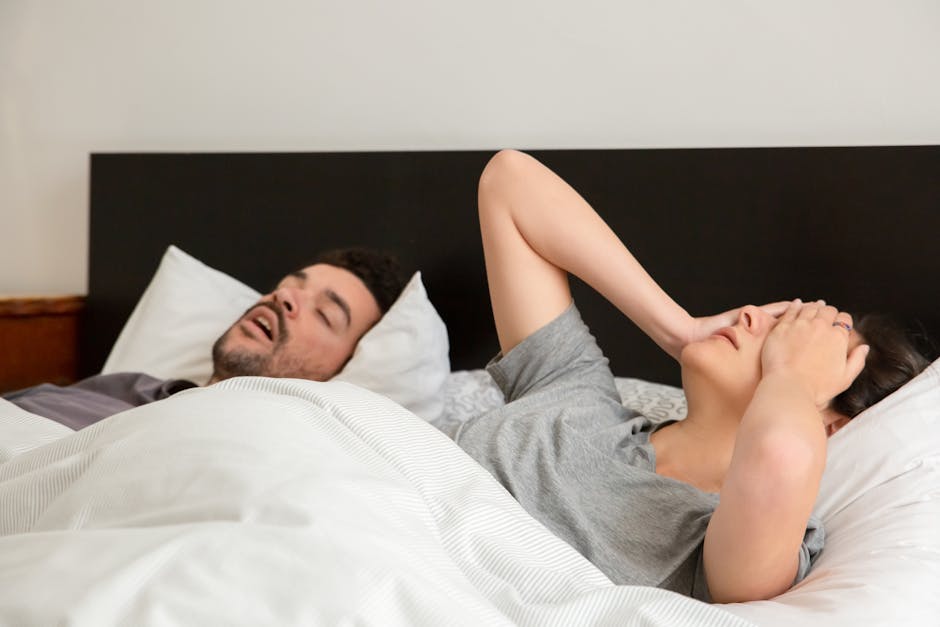
Snoring. That rumbling, rattling sound that can disrupt a peaceful night's sleep, both for the snorer and their unfortunate bed partner. While occasional snoring might be harmless, chronic snoring can be a sign of underlying health issues and significantly impact sleep quality. Fortunately, there are a number of remedies that can help alleviate snoring and restore tranquility to the bedroom.
One of the most common causes of snoring is nasal congestion. When the nasal passages are blocked, airflow is restricted, leading to vibrations in the soft tissues of the throat. Simple solutions like saline nasal sprays or nasal strips can help open up the airways and reduce snoring. A humidifier can also add moisture to the air, preventing dryness that can exacerbate congestion.
Lifestyle changes can also play a significant role in reducing snoring. Excess weight can put pressure on the throat, contributing to snoring. Losing even a small amount of weight can make a noticeable difference. Regular exercise can also improve muscle tone in the throat and promote better sleep overall.
Alcohol and sedatives relax the throat muscles, increasing the likelihood of snoring. Avoiding these substances, especially close to bedtime, can help prevent snoring. Similarly, sleeping on your back can cause the tongue to fall back into the throat, obstructing airflow. Try sleeping on your side to minimize this issue.
For those with allergies, identifying and managing allergens can significantly reduce snoring. Dust mites, pet dander, and pollen can all irritate the nasal passages and contribute to snoring. Regularly cleaning bedding, using allergen-proof covers, and keeping pets out of the bedroom can help minimize exposure to allergens.
Oral appliances, available over-the-counter or through a dentist, can help reposition the jaw and tongue to keep the airway open. These devices can be effective for some individuals, but it's important to find one that fits comfortably and doesn't cause jaw pain.
In some cases, snoring can be a symptom of a more serious condition like sleep apnea. Sleep apnea is characterized by pauses in breathing during sleep and can have serious health consequences. If you suspect you may have sleep apnea, it's crucial to consult a doctor for a proper diagnosis and treatment.
If you've tried various remedies and are still struggling with snoring, it's always best to consult a healthcare professional. They can help determine the underlying cause of your snoring and recommend the most appropriate treatment options, ensuring a quieter and more restful night's sleep for everyone.
Leave a Reply