
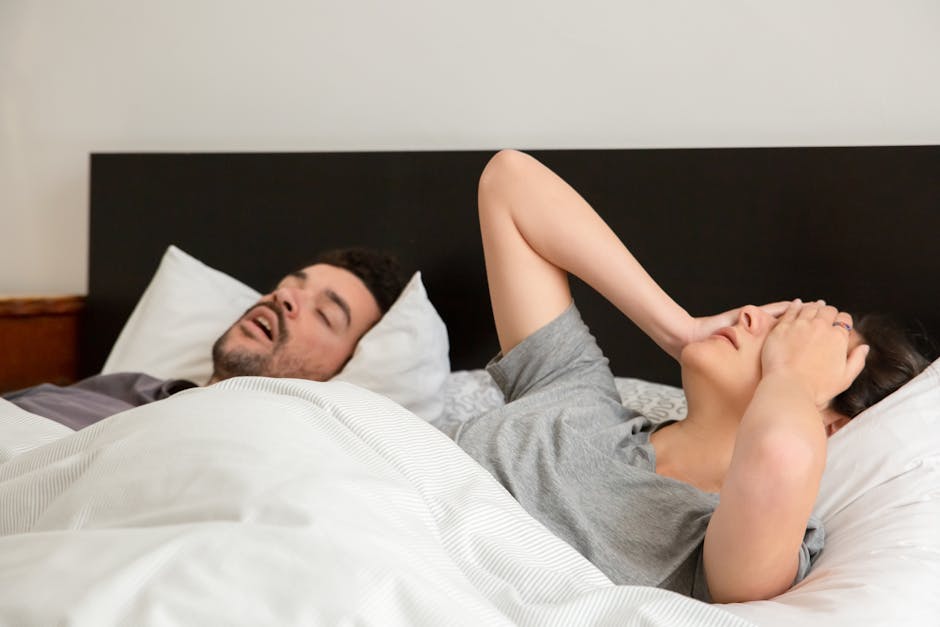
Snoring. That rumbling, rattling, sometimes whistling sound that can disrupt a peaceful night's sleep. Whether it's your own snoring or that of a partner, it's a common problem that affects millions. While occasional snoring might not be a cause for concern, chronic snoring can be a sign of underlying health issues and can significantly impact the quality of sleep for both the snorer and anyone within earshot. Fortunately, there are several strategies you can try to minimize or even eliminate this nighttime nuisance.
One of the most effective ways to reduce snoring is to address lifestyle factors. Maintaining a healthy weight is crucial, as excess weight can contribute to snoring by putting pressure on the airways. Regular exercise can help with weight management and improve overall sleep quality. Avoiding alcohol and sedatives before bed is also important, as these substances can relax the throat muscles, making snoring more likely.
Another key factor in managing snoring is establishing good sleep hygiene. This includes creating a consistent sleep schedule, going to bed and waking up around the same time each day, even on weekends. Creating a relaxing bedtime routine can also help prepare your body for sleep. This might include taking a warm bath, reading a book, or listening to calming music. A dark, quiet, and cool bedroom environment can further promote restful sleep and minimize snoring.
Sleeping position plays a significant role in snoring. Sleeping on your back can cause the tongue and soft palate to collapse into the airway, obstructing airflow and leading to snoring. Try sleeping on your side to keep the airway open. You can use pillows to prop yourself up or try specialized pillows designed to encourage side sleeping.
Staying hydrated is essential for overall health and can also help reduce snoring. When you're dehydrated, the secretions in your nose and soft palate become stickier, which can increase the likelihood of snoring. Drinking plenty of water throughout the day can help keep these passages clear and moist.
Nasal congestion can also contribute to snoring. If allergies or a cold are causing congestion, using a saline nasal spray or rinse can help clear the nasal passages. Nasal strips can also be helpful in widening the nostrils and improving airflow.
For some individuals, snoring may be a sign of a more serious condition called sleep apnea. Sleep apnea is characterized by pauses in breathing during sleep and can have serious health consequences. If you suspect you or your partner may have sleep apnea, it's crucial to consult a doctor for a proper diagnosis and treatment.
Finally, remember that finding the right solution for snoring may require some experimentation. What works for one person may not work for another. Be patient and persistent in trying different strategies until you find what helps you or your partner achieve a peaceful and snore-free night's sleep.
Leave a Reply